Three years of driving Uber taught me that Diamond status is the one tier where the math actually shifts. Gold and Platinum are mostly cosmetic. Diamond is where the real perks live: priority airport queues, premium-only rider matching at LAX and ATL, and a roadside assistance line that actually answers. The question I get every week from drivers in my Discord: does any of that still pencil out when you're paying $279 a week for a rental?
Short answer: sometimes. Longer answer below, with the actual numbers from my own car and three drivers I trade notes with.
Uber refreshed the Pro tiers in early 2026 after the program got watered down in 2024. Here's what Diamond unlocks right now (verified on my own dashboard last week):
The catch: you need 1,200 points and a 4.85+ rating in a rolling 3-month window. That's roughly 320-380 completed trips per month depending on how many Comfort and Premier rides you get (those pay 2x points).
To do 350 trips a month you're driving about 50-55 hours a week. That's a real schedule. Let me show you what that looks like cost-wise on a RideshareRenter rental.
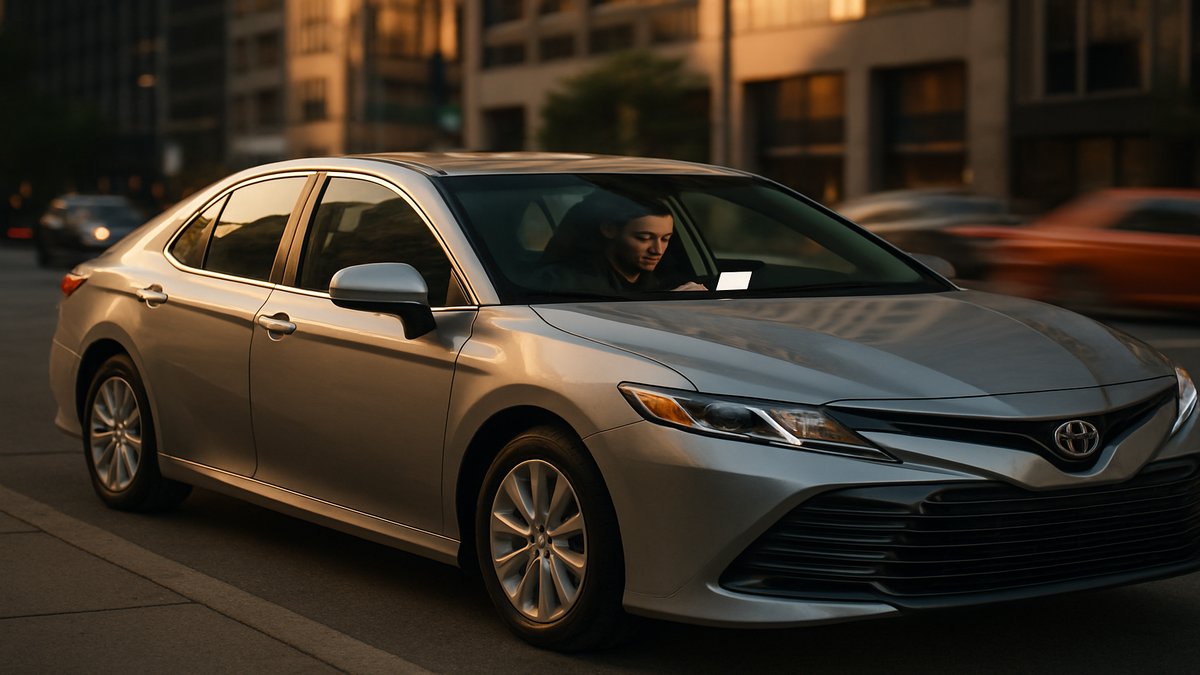
I rent a 2022 Toyota Camry through RideshareRenter for $265/week (DC market price last billing cycle). Insurance, maintenance, and the 950-mile-per-week allowance are baked in. Here's what 350 trips a month actually cost me last quarter:
| Cost category | Monthly (Standard driver) | Monthly (Diamond chase) |
|---|---|---|
| Rental fee | $1,148 | $1,148 |
| Gas (Camry, ~22 mpg combined) | $680 | $910 |
| Mileage overage (above 950/wk) | $0 | $140 |
| Snacks, water, car wash, phone mount, etc. | $95 | $130 |
| Total operating cost | $1,923 | $2,328 |
So Diamond chase costs you an extra $405/month in operating cost. Now the income side.
Here's the part where most blog posts hand-wave. They tell you Diamond is amazing without doing the comparison. I did it.
From my own data, January through April 2026, in the DC metro:
| Metric | Standard (220 trips/mo) | Diamond (350 trips/mo) |
|---|---|---|
| Average fare per trip | $13.20 | $14.10 |
| Comfort/Premier trip share | 12% | 22% |
| Tips per month | $210 | $385 |
| Airport long-trip bonuses | $0 | $240 |
| Quarterly $100 fuel credit (monthly avg) | $0 | $33 |
| Gross monthly | $3,114 | $5,593 |
| Net after rental + gas + extras | $1,191 | $3,265 |
That's $2,074 more in your pocket at the end of the month. Not bad.
But — and this matters — I'm also working 22 extra hours a week to get there. If you back out the hourly rate, Standard runs about $13.50/hour after costs. Diamond runs about $14.85/hour after costs. So per-hour, Diamond barely wins.
Where Diamond actually wins is total monthly take-home. If you need to clear $3,000+/month and you're renting, Diamond is basically required. Standard volume on a rental car doesn't get you there.
I'll be honest. There are situations where chasing Diamond in a rental is just hurting yourself:
You're in a slow market. If you drive in a city where Comfort and Premier requests are rare (most mid-size markets), the 22% premium-trip share I quoted above won't happen. Diamond's value drops by half. Talk to drivers in your local Reddit before assuming.
Your rating is shaky. If you're sitting at 4.83 and grinding to keep 4.85, the stress isn't worth it. One bad week with three 3-star ratings and you're back to Platinum anyway. Chase the rating first, then chase the volume.
You're using a Tesla or hybrid rental. Diamond's airport-queue priority matters most when you're burning gas waiting in line. On a Model Y rental, idle cost is near zero, so the queue benefit shrinks.
You're driving part-time. Diamond requires 1,200 points in 3 months. If you drive 20 hours a week, you mathematically cannot get there without quitting your day job. Aim for Platinum instead.
If you decide to go for it, here's what worked for me:
Front-load the first 6 weeks of the quarter. Drive 60+ hours a week, bank the points, then coast at 40 hours the last 6 weeks to maintain. Burnout is real if you grind 55 hours every week for three months straight.
Position for airport runs on Sunday mornings and Thursday evenings — that's where the long fares and bigger tips cluster. With a RideshareRenter car you get unlimited airport pickups (some other rental programs cap them at 4/day).
Stack Uber Eats on slow afternoons. Those trips don't pay great per hour but they count toward your trip total for Pro status. I do 2-3 hours of Eats on weekday afternoons and bank 8-12 extra points without burning much gas.
Keep the car spotless. A 4.85 rating doesn't survive a smelly cabin. I pay for a $14 car wash twice a week and keep wet wipes in the door pocket.
Quick aside for car owners reading this. If you list your car on RideshareRenter, the drivers chasing Diamond are exactly who you want renting from you. They put serious miles on the car (which means longer rentals, less turnover, and steady weekly income), they keep the car clean because their rating depends on it, and they almost never miss a payment because they have skin in the game with the tier reset cycle.
My owner has rented her Camry to me for 14 months straight because I'm in the Diamond grind. She nets about $580/month after the platform fee and her depreciation reserve. Steady money.
Does the rental company know I'm chasing Diamond?
No, and they don't care. RideshareRenter doesn't track your trip count or Uber rating. You can drive as much as you want within your weekly mileage cap.
What happens if I lose Diamond mid-quarter?
You drop back to whatever tier your points qualify for — usually Platinum if you've been close. You keep the perks you already earned (like the fuel credit) but lose airport priority immediately. Status recalculates the first Monday of each month.
Can I hit Diamond driving only weekends?
Mathematically? Almost impossible. You'd need to bank ~80 points per weekend, which is roughly 25-30 trips per weekend day with a heavy Comfort/Premier mix. Most weekend-only drivers max out at Gold or low Platinum.
Does Lyft Platinum work the same way on a rental?
Similar idea, different math. Lyft Platinum pays a flat 10% bonus on all rides plus priority dispatch. The hurdle is lower (10 weekly rides for 8 of 12 weeks). On a RideshareRenter car, Lyft Platinum is easier to maintain than Uber Diamond — but the payout is also smaller.
What rental car should I pick for Diamond chasing?
Something hybrid or fuel-efficient with a clean interior. A Camry Hybrid, Prius, or Tesla Model 3 keeps your gas costs low and the cabin nice. Avoid anything older than 5 model years — Uber's Comfort tier requires 2018 or newer, and you want as many premium pings as possible.
Is the $100 quarterly fuel credit easy to claim?
You need to keep Diamond all three months of the quarter to qualify. If you drop to Platinum for even one month, you lose it. It posts to your Uber wallet within 7 days of the quarter ending.
If you're sitting on a rental and trying to figure out whether Diamond is worth the grind, run your own numbers using the tables above. Most full-time drivers come out ahead. Part-timers usually don't.
For drivers: Browse RideshareRenter listings in your city to find a hybrid or Comfort-tier eligible car under $300/week. Insurance and maintenance included, no credit check on most listings. Start browsing rentals →
For vehicle owners: Diamond-chasing drivers are the renters who keep your car earning 50+ weeks a year. List your 2018-or-newer sedan or SUV and start collecting weekly payments. List your car →




Comments