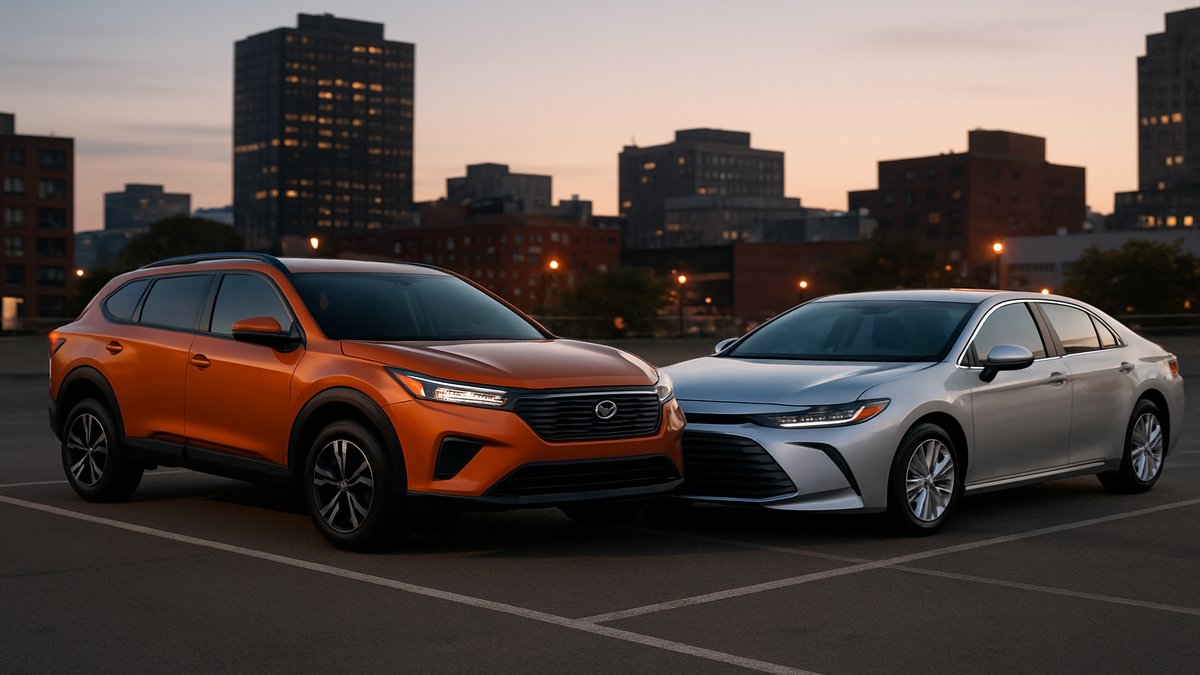
I get this question a few times a week now: "Should I do Sixt+ or RideshareRenter for Uber?" Drivers see the Sixt+ ads with sleek SUVs and a flat monthly fee, then they see RideshareRenter's weekly listings, and they want to know which one actually pays better at the end of the month.
I've used both. Sixt+ for four months in 2024 when I was testing it, RideshareRenter for the last 18 months. Here's the honest comparison, with numbers from my own subscriptions and policy fine print I pulled last week.
If you drive less than 15,000 miles a year, Sixt+ might pencil out. If you drive Uber or Lyft full-time, RideshareRenter wins by a wide margin. The biggest reasons are mileage caps and how each program handles rideshare insurance.
Sixt+ is the subscription arm of Sixt rent-a-car. You pick a vehicle class, pay a monthly subscription, and get to swap cars roughly once a month. The base Premium tier was $599/month last I checked, with the mid-tier SUV plan running $749 and the EV plan at $679.
What most drivers don't realize: Sixt+ does not include rideshare insurance. Their terms specifically exclude commercial use, including Uber and Lyft driving. You can technically drive for rideshare in a Sixt+ car, but you need to carry your own rideshare-endorsed personal policy on top of the subscription, and if you crash with a passenger in the car, Sixt's coverage is void. This is in section 8 of the current Sixt+ terms.
I talked to a Sixt+ rep on the phone in February to confirm and the answer was: "Subscribers can use the vehicle for rideshare but they assume full liability for any commercial use claims." So you're on your own for the insurance piece.
RideshareRenter is a peer-to-peer marketplace built specifically for rideshare drivers. Vehicle owners list cars, you rent them by the week. Every listing includes commercial rideshare insurance, so when you're driving for Uber or Lyft, you're covered the entire time — Period 1 (waiting for ping), Period 2 (heading to passenger), Period 3 (passenger in car). No coverage gaps.
Weekly rates in 2026 typically run $215-340 depending on city and car type. No long-term commitment. Return the car with 48 hours notice.
Let me put real numbers on this. Both columns assume the same driver doing 35 hours a week for Uber and Lyft in Washington DC, putting 750 miles a week on the car.
| Cost line | Sixt+ (Premium SUV) | RideshareRenter (Camry) |
|---|---|---|
| Base monthly fee | $749 | $1,148 ($265/wk x 4.33) |
| Mileage overage (Sixt: $0.25/mi over 1,000/mo) | $523 (3,250 mi over) | $0 (included) |
| Rideshare insurance add-on (you carry this) | $295/mo (Progressive) | $0 (included) |
| Tolls (admin fee $9.95 per toll w/ Sixt) | ~$120/mo | $0 admin (you pay toll only) |
| Cleaning fee buffer (Sixt charges $185 per "excess wear") | $60/mo amortized | $0 (owners expect normal wear) |
| Real monthly total | $1,747 | $1,148 |
That's a $599/month difference. About $7,200 a year out of your pocket if you go Sixt+.
Sixt+ includes 1,000 miles per month in the base subscription. One thousand. For context: a part-time Uber driver doing 20 hours a week typically logs 2,800-3,500 miles a month. Full-timers blow past 4,500.
Sixt+ charges $0.25 per mile over 1,000. At 3,250 overage miles that's $812/month in just mileage charges. Their "unlimited miles" upgrade exists but it's an extra $300/month — and even then it's capped at unlimited for personal use, not commercial.
RideshareRenter listings typically include 850-1,200 miles per week (most owners offer unlimited within reason for proven drivers). The mileage isn't a profit center for the platform, it's a baseline expectation.
I want to be careful here because insurance is where drivers get hurt the most. Sixt+ explicitly excludes commercial use. If you have an at-fault accident with a rider in the car, Sixt's insurance denies the claim. Your personal rideshare policy might cover it — or might not, depending on whether your insurer knew you were driving a subscription rental.
Then there's the gap question. Some rideshare endorsements specifically require you to own or lease the vehicle on the policy. If you're driving a Sixt+ car, your insurer can argue the policy doesn't apply because the vehicle isn't on the declarations page. I've seen this go badly for two drivers in my network.
RideshareRenter solves this by including commercial rideshare coverage in every rental. The policy covers you while logged into the app and while transporting passengers. When you're using the car personally (grocery runs, family stuff), liability still applies up to the state minimum.
Fair is fair. Sixt+ has a few advantages I'll grant:
Car quality. Sixt's fleet runs newer than the average RideshareRenter listing. Their SUVs are typically 2024-2025 models. Some RideshareRenter listings are 2018-2020 cars (still Uber Comfort eligible, but older).
Brand consistency. Every Sixt+ car is fleet-maintained. No mystery as to who serviced it last. RideshareRenter owners vary — most are diligent, some are not. Read the reviews on the listing.
Convenient swaps. Sixt+ lets you change cars monthly at any Sixt location. That's nice if you want to try different vehicle classes. RideshareRenter is car-to-car — you rent a specific listing and stay in it until you return it.
Personal use is built in. If you're really using the car 70% for personal life and 30% for rideshare, Sixt+ might genuinely fit better. But that's not most drivers reading this post.
For actual rideshare drivers, the wins are pretty clear:
Real all-in pricing. The weekly fee is the cost. No insurance you have to add, no per-mile surprise, no toll admin fees, no commercial-use surcharge.
No credit pull for most listings. Most RideshareRenter owners don't run credit checks. They look at your rideshare driver verification, rating, and trip count instead. Sixt+ requires a credit score of 660+ for subscription approval.
Weekly billing matches your earnings cycle. Uber and Lyft pay weekly. RideshareRenter's weekly billing fits naturally. Sixt's monthly fee front-loads your cost in a way that hurts cash flow.
You can quit anytime. 48 hours notice and you're out. Sixt+ requires 30 days notice and bills you for the partial month.
Owner accountability. If something's wrong with a RideshareRenter car, the owner has a direct financial reason to fix it fast. Their listing's earnings depend on the car being on the road. Sixt's a corporate fleet — they'll get to it.
Sixt+ makes sense if:
RideshareRenter makes sense if:
Can I use a Sixt+ car for Uber legally?
Yes legally, but it puts you in an insurance limbo. Sixt's coverage excludes commercial use, so you need your own rideshare-endorsed policy and need to confirm with your insurer that they'll cover a vehicle you don't own. Most insurers don't, but a few do for an upcharge.
Does Sixt+ include maintenance?
Yes — oil changes, tire rotations, and standard service are included. So is roadside assistance. That's a real perk vs. ownership, but RideshareRenter listings include all of this too.
What about toll handling?
Sixt+ charges a $9.95 admin fee on top of every toll. RideshareRenter listings vary — most include a transponder you can use or let you pay tolls directly with your own E-ZPass. No admin fees.
Which one has better cars for Uber Comfort or Premier?
Sixt's SUV tier has newer, larger vehicles that ping more Comfort rides. But RideshareRenter has plenty of 2022-2024 Camrys, Accords, and Tesla Model 3s that also qualify for Comfort. Filter by year on the listings page.
Can I get a Tesla through Sixt+?
Their EV plan includes some Teslas (Model 3 and occasionally Model Y) but availability varies wildly by metro. RideshareRenter has dozens of Tesla listings in major markets at $315-385/week, often cheaper than Sixt's EV plan once you factor in mileage overage.
What if I just want to try Sixt+ for a month?
Honestly, sit down with the math first. The 30-day notice clause means a "one month trial" actually costs you closer to two months once you decide to leave. Test RideshareRenter for two weeks instead — you can return the car with 48 hours notice and you'll get a real feel for the platform.
For full-time Uber and Lyft drivers, the math is one-sided. RideshareRenter saves you roughly $7,000 a year vs Sixt+, with cleaner insurance, no mileage overage, and weekly billing that matches your earnings cycle.
For weekend warriors who already have a personal car and want a nicer second vehicle for a few hours of driving here and there, Sixt+ might fit. Just go in eyes-open about the commercial-use insurance gap.
For drivers comparing rentals: Browse RideshareRenter listings in your city to see real weekly rates with insurance and maintenance included. Compare cars near you →
For vehicle owners: Drivers switching off Sixt+ and similar subscriptions are actively looking for cheaper alternatives. Listing your 2018+ sedan or SUV on RideshareRenter puts you in front of them. List your car →




Comments