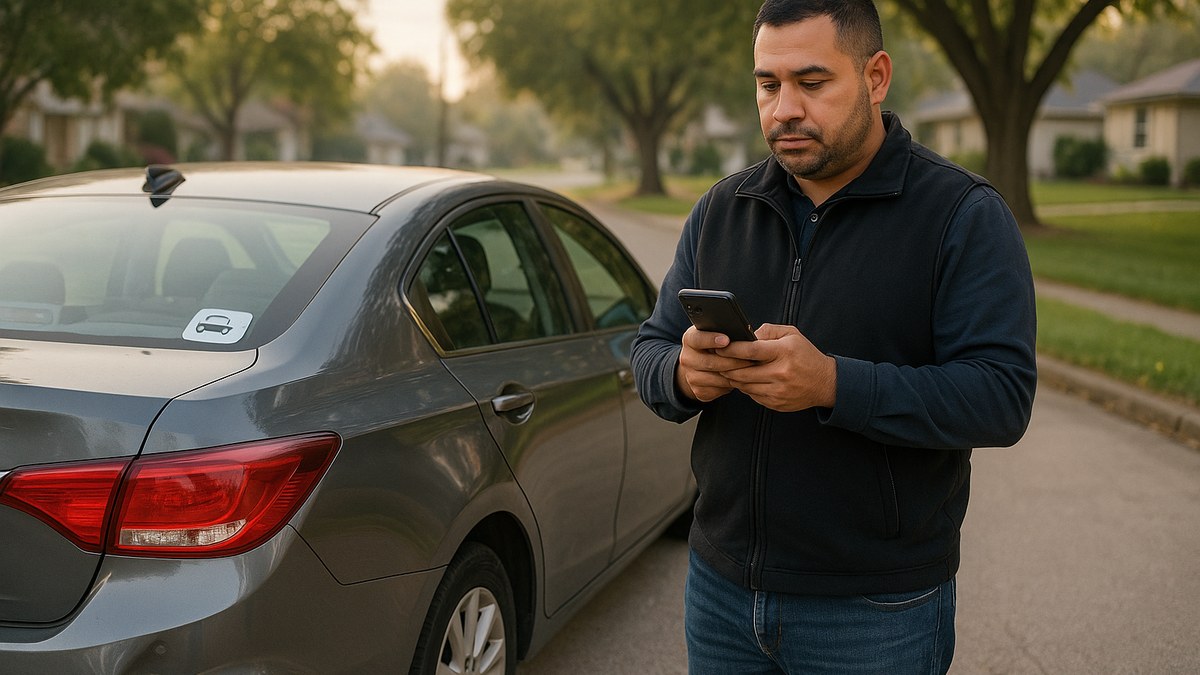
I got rear-ended at a red light in my second month driving a rented car for Uber. Passenger in the back seat, dashcam rolling, other driver at fault. Even with a clean-cut case, the next two weeks taught me more about rideshare rental insurance than anything I'd read before signing. Most drivers don't learn how their coverage works until the day they need it, and that's the most expensive possible time to find out.
When you rent through RideshareRenter and drive for Uber or Lyft, there are up to three coverage layers in play, and which one pays depends entirely on what your app was doing at the moment of impact.
| Situation | Who typically covers it | Watch out for |
|---|---|---|
| App off (personal errand) | The rental's own policy | Some listings restrict personal-use miles |
| App on, waiting for a ping (Period 1) | Uber/Lyft contingent liability + rental policy | The weakest layer — contingent coverage is liability-only and thin |
| En route to pickup or on a trip (Periods 2-3) | Uber/Lyft commercial policy ($1M liability) | Collision coverage carries a deductible, commonly $2,500 with Uber |
My accident happened on-trip, so Uber's commercial policy led. The other driver's insurer eventually paid, but the interim went through Uber's carrier. If I'd been sitting in Period 1, it would've been a messier conversation between the platform's contingent coverage and the rental's policy.
Most RideshareRenter listings include commercial or rideshare-rated coverage in the weekly price. That's a genuine advantage over financing a car and buying your own policy at $250-400/month. But "included" isn't one standard thing, so read the listing for four specifics: the liability limits, the physical-damage deductible you'd owe, whether personal (app-off) driving is covered, and whether delivery apps like DoorDash are included — some policies cover rideshare but not delivery, and that gap has burned drivers.
Deductibles on rentals commonly land between $500 and $2,500. A $250/week car with a $2,500 deductible can be a worse deal than a $300/week car with a $500 deductible if you drive 50 hours a week in city traffic. Do that math before picking the cheapest listing.
A few real failure modes I've seen in three years around this business. Driving for a delivery app when the rental policy only covers rideshare — claim denied. Letting a roommate borrow the car — unlisted drivers usually aren't covered, and you're personally on the hook. Lapsed app coverage because you were "between" ride requests with the app accidentally toggled off — you just became a Period-0 driver on a commercial vehicle. None of these are exotic. They're Tuesday.
Also: the platform's $1M liability policy protects the people you might hurt. It does not make you whole. Your lost income while the car's in the shop isn't covered by anyone, which is a real argument for renting through a marketplace where you can pick up a replacement car in a day or two instead of waiting on a repair.
Screenshot your app status immediately — that screen determines which insurance layer applies, and trip data is easier to pull the same day. Photos of all four corners of both cars, the street, and any signage. Get the police report number even for minor stuff; owners and insurers both want it. Then notify three parties the same day: the platform (through the app's incident flow), the vehicle owner through RideshareRenter messaging so there's a written record, and your own insurer if you carry any personal policy. Late notice is one of the most common reasons claims get complicated.
My claim took 16 days from collision to check. The dashcam mattered more than anything else I did — a $70 camera saved me a liability dispute that could've dragged for months. If you rent a car that doesn't have one, buy one.
Depends on the listing and your state. Many listings bundle coverage so you don't need a separate policy for the rental itself. Some owners require renters to hold a personal policy too. It's stated per listing — ask the owner before booking if it's unclear.
If the other party is at fault and insured, their liability coverage should pay and you may owe nothing. If they're uninsured or fault is disputed, you'll likely front the rental policy's deductible and recover later, if at all. Uninsured-motorist coverage on the policy is worth checking for.
Not always. Rideshare and delivery are rated differently by insurers. If you multi-app, confirm the listing covers delivery work specifically, in writing.
It's when your app is on but you haven't accepted a ride. Platform coverage there is contingent liability only — thin limits, no collision. It's the crack between the rental's policy and the platform's commercial policy, and it's where coverage disputes happen.
A single not-at-fault accident, handled promptly with documentation, generally affects neither. Multiple at-fault incidents can affect both your platform standing and your ability to rent, since owners see your history.
Drivers: Every listing on RideshareRenter shows its insurance terms upfront — compare deductibles and coverage before you book, not after a crash.
Vehicle owners: Worried about handing your keys to a stranger? RideshareRenter listings pair you with rated, documented drivers and coverage structures built for commercial use. List your car and set your own terms.




Comments