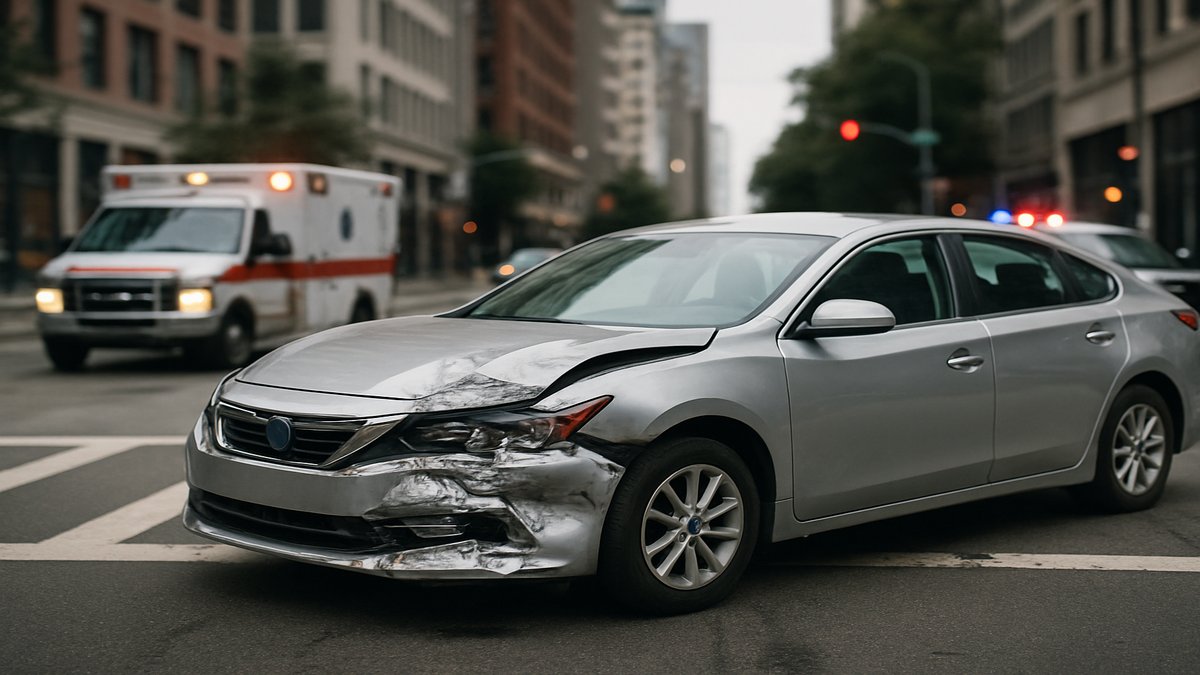
I rear-ended a Tahoe at a red light in my third month of driving Uber. Rental car. Wet pavement. Distracted by the app. The other driver was fine, my front bumper was not, and the first thing I thought about wasn't the airbags â it was whether I was about to be on the hook for $4,000.
Three years and a few minor scrapes later, I can tell you what rideshare rental insurance actually covers, what it doesn't, and the gaps nobody warns you about until you're sitting on the shoulder of I-285 waiting for a tow.
There are three layers stacked on top of any car you rent through a marketplace like RideshareRenter. They all have to line up for a claim to pay out cleanly.
Layer one is the rental marketplace policy. This is the commercial coverage attached to the vehicle itself. It's what makes the car legal to drive on Uber and Lyft in the first place. On RideshareRenter the policy covers the car for liability and physical damage while you're on a confirmed rental, with a deductible that varies by vehicle but typically sits between $1,000 and $2,500.
Layer two is the rideshare app's own coverage. Once you tap "go online" in the Uber driver app, Uber's commercial policy stacks on top. The exact dollar figures change over time, but the structure has stayed the same for years: low coverage when the app is on but you haven't accepted a ride, then much higher liability and contingent collision once you accept a trip or pick up a passenger.
Layer three is anything you bring. Some drivers carry a non-owned auto policy or a personal umbrella. Most don't. If you don't, the first two layers are all you have.
The order matters. If you crash with a passenger in the car, Uber's policy usually leads. If you crash on your way home with the app off, the marketplace policy takes over. If the app is on but you haven't accepted a trip, things get messy and that's where most claim disputes live.
Drivers fixate on whether they're "covered." The real question is the deductible. Coverage means the car gets fixed and the other driver gets paid. The deductible is the amount that comes out of your pocket before any of that happens.
Most RideshareRenter listings carry a $1,500 or $2,000 deductible. Cheaper economy cars sometimes drop to $1,000. Higher-end SUVs and EVs can go up to $2,500.
That number is the single most important line in any rental listing. Read it. Screenshot it. If you bend a fender, that's the bill.
I keep a $2,000 buffer in a separate savings account specifically because of this. Two years in, I've tapped it twice â once for a parking lot scrape that was 100% my fault, and once for a deer that ran into the side of the car on a 5 a.m. airport run. Both claims paid. Both cost me my deductible.
| Situation | Typically covered? | Who pays |
|---|---|---|
| At-fault collision with passenger in car | Yes | Uber/Lyft policy + your deductible |
| At-fault collision, app on, no trip | Usually yes, limited | App contingent + marketplace policy + your deductible |
| At-fault collision, app off (commuting) | Yes via marketplace | Marketplace policy + your deductible |
| Not-at-fault collision | Yes | Other driver's insurance (you may still front the deductible) |
| Vehicle theft | Yes | Marketplace comprehensive + deductible |
| Windshield chip or crack | Sometimes | Often a flat $100â$250 repair fee |
| Interior damage from a passenger | Cleaning fee covered, damage capped | You file with Uber, then marketplace if denied |
| Personal items stolen from the car | No | Your renters or homeowners policy |
| Driving outside approved geography | No | You. All of it. |
| DUI or unauthorized driver | No | You. Plus the entire car if totaled. |
1. The Period 1 grey zone. App on, no trip accepted. Uber's coverage is at its weakest here. If you crash while waiting for a ping, expect a slower claim and tighter scrutiny. Pull over and turn the app off when you're parked. It sounds dumb. It matters.
2. Personal use you didn't think was "personal." Picking up your kid from school in the rental between shifts is personal use. The marketplace policy covers it. Driving the rental to Vegas for the weekend without telling anyone is not, and your coverage evaporates the second you cross a line that wasn't in your agreement.
3. Letting your cousin drive. If they're not on the rental as an authorized driver, you have no insurance the moment they touch the wheel. This is the single most common reason claims get denied. I've watched two friends eat five-figure repair bills over a 20-minute coffee run their brother-in-law made.
4. Filing with the wrong party first. If you had a passenger, file with Uber first. If you didn't, file with RideshareRenter first. Going to the wrong one delays everything by a week and sometimes creates conflicting claim numbers that take months to untangle.
5. Tow bills and storage fees. These are not always included. A car sitting in an impound lot in Atlanta runs $35 to $75 a day. If a claim takes two weeks to process and you didn't move the car, that storage bill is yours.
Take photos before anything moves. All four corners of both cars, license plates, the road, any skid marks, the traffic signal if applicable. Get the other driver's name, license, plate, and insurance card photo. Police report if there's any damage at all â Uber and the marketplace both want a report number, and "the other driver said it was fine" means nothing two weeks later when their cousin who's a lawyer calls.
Then notify Uber or Lyft inside the driver app (there's a crash button), notify RideshareRenter through the support channel, and only then call the owner of the car if it's a peer-to-peer rental. In that order. The platforms have process. Owners have feelings. Handle the process first.
Honest answer: it depends on what you drive and how often.
If you rent a $25,000 Camry full-time and your deductible is $1,500, the math on a non-owned auto policy ($35â$60/month in most states) is borderline. You'd save a few hundred bucks if you crash once a year. You'd waste a few hundred if you don't.
If you rent a Tesla Model Y or a Suburban with a $2,500 deductible, an umbrella policy starts to make real sense. One bad crash with a passenger can produce liability claims past the platform's limits, and an umbrella is cheap compared to what an attorney costs.
I personally carry a $1 million umbrella that runs me about $22/month. I've never used it. I sleep better.
Does RideshareRenter insurance cover me when the app is off?
Yes, while the rental agreement is active and you're driving within the agreed-upon geography. Personal use during your rental period is covered the same as during your shift.
What happens if I get a parking ticket in the rental?
The ticket is yours. Most marketplaces (including RideshareRenter) will forward the citation to you and tack on a small admin fee, usually around $25, for processing.
Can I drive a rental for both Uber and DoorDash?
On most RideshareRenter listings, yes â the policy covers both rideshare and food delivery. Confirm in the listing details before you book. A handful of owners restrict their cars to passenger trips only.
If someone else crashes my rental, am I still responsible?
If they were an authorized driver on the rental, the regular claims process applies. If they weren't, you are personally responsible for the full cost of repairs and any liability â there's no coverage at all for unauthorized drivers.
How long does a claim take to resolve?
A clean fender bender with photos, a police report, and a clear at-fault determination usually closes in 10â14 days. Anything with disputed fault, injury claims, or out-of-state drivers can stretch to 60+ days.
Will a claim raise my future rental rates?
At-fault claims typically push you into a higher-deductible tier on your next booking for a period of time. They don't ban you from the platform but they do raise your costs. Two at-fault claims in 12 months is when things get harder.
Insurance on a rideshare rental is real coverage with real gaps. The marketplace policy and the rideshare app's commercial policy together protect you in the situations that matter most â crashes during trips, crashes commuting, theft, vandalism. The gaps that hurt people are almost always behavioral: unauthorized drivers, out-of-area trips, delayed reporting, no police report.
Know your deductible. Keep a buffer. Photograph everything. Report fast.
Ready to start driving? RideshareRenter connects you with vetted vehicle owners across 40+ US cities, with insurance and Uber/Lyft approval built into every rental. Find a car in your city â
Got a car sitting in your driveway? Owners on RideshareRenter earn $300â$900 a week renting to background-checked rideshare drivers, with the platform handling insurance, payments, and disputes. List your vehicle â




Comments