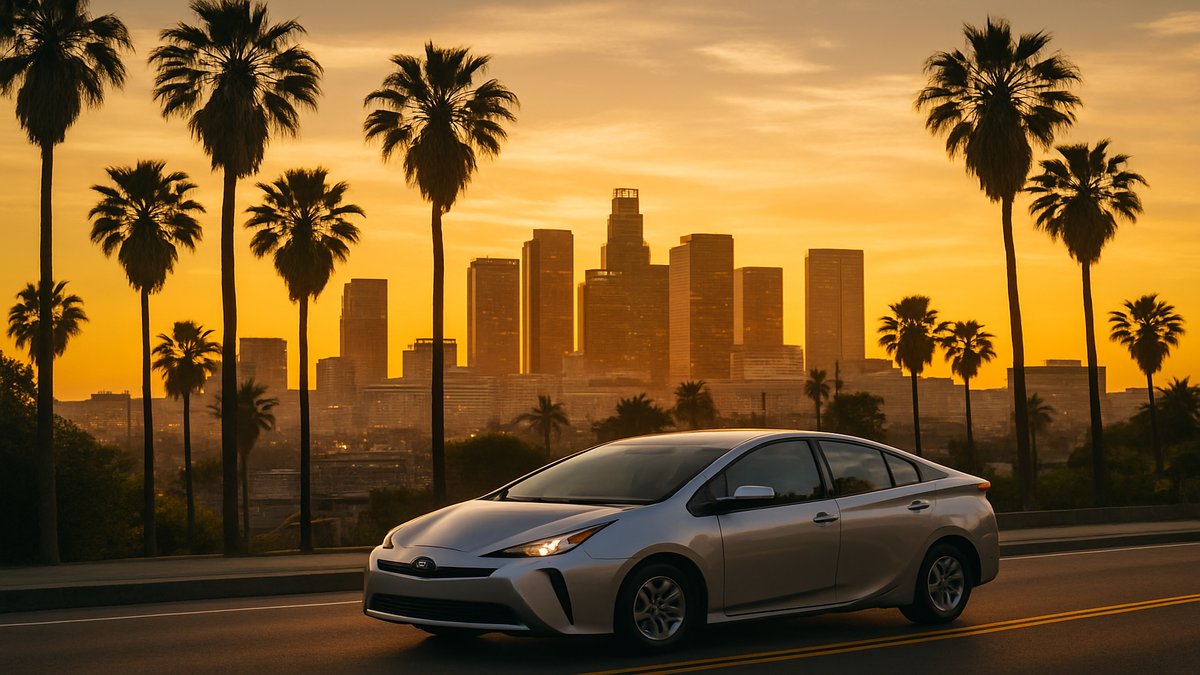
Los Angeles is the biggest rideshare market in the country. It's also the trickiest. The geography is enormous, the regulations are layered (TCP permits, CPUC rules, LAX-specific operations), and the cost of living forces drivers to make every hour count. If you can drive rideshare in LA, you can drive it anywhere.
RideshareRenter has vehicles across the LA basin â from the Valley to the South Bay to the Eastside â with insurance and the right approvals to operate in California.
| Metric | Los Angeles |
|---|---|
| Population (metro) | ~13 million |
| Major airports | LAX, Burbank (BUR), Long Beach (LGB), Ontario (ONT), John Wayne (SNA) |
| Average gross/hour (Uber + Lyft) | $28â$38 (varies wildly by zone and time) |
| Best surge zones | LAX, Hollywood, DTLA, Santa Monica, SoFi Stadium, Crypto.com Arena |
| Typical weekly rental on RideshareRenter | $280â$420 |
| Driver requirements | 25+, 3 years licensed (CA TCP rule), clean MVR |
| Vehicle model year minimum | 2012 or newer for most platforms |
Three things separate LA from Phoenix, Atlanta, or Chicago:
The TCP permit. California requires rideshare vehicles to operate under a Transportation Charter Party permit issued by the CPUC. RideshareRenter vehicles in California are listed with valid TCP coverage so drivers don't have to wrangle the paperwork. If you ever see a "rideshare-friendly" rental that doesn't mention a TCP, walk away.
LAX-it. Since 2019, LAX rideshare pickups happen at a dedicated lot called LAX-it, not at the terminal curb. Passengers take a shuttle from their terminal to the lot. As a driver, you stage at the dedicated rideshare staging area off Sepulveda and get dispatched to LAX-it for pickup. The system works but the first time is confusing.
The distances. A "short" trip in LA is 8 miles. Driving someone from Santa Monica to Downtown is 18 miles in light traffic, 35 minutes at 3 a.m., 90 minutes at 5 p.m. Plan your shift around the geography or it'll eat you.
LAX. The dominant earner in the market. International arrivals, especially overnight from Asia and Latin America, produce fares of $40â$120 to destinations across the basin. Mornings 5â9 a.m. and evenings 7 p.m.âmidnight are the peak windows.
Hollywood / West Hollywood. Friday and Saturday nights between 10 p.m. and 3 a.m. produce reliable 1.8xâ3x surge around Sunset Strip, the Roosevelt, and the WeHo bars on Santa Monica Blvd.
SoFi Stadium and the Kia Forum. Inglewood is the post-event surge capital of LA. Rams, Chargers, Super Bowls in their years, concert nights. Park near La Tijera and Manchester before the event ends.
Downtown LA. Arena nights at Crypto.com (Lakers, Kings, Clippers, Sparks), convention traffic, and Sunday brunch from Arts District restaurants.
Santa Monica and Venice. Tourists, beach traffic on weekends, and the Third Street Promenade after sunset.
The corporate corridor. Century City, Beverly Hills, Westwood for MondayâThursday business commuters in the 7â9 a.m. and 5â7 p.m. windows.
The single biggest skill in LA rideshare is not driving â it's choosing which trips to accept. A 6-mile trip across town at 5 p.m. can take 50 minutes and earn you the same fare as a 12-mile trip at 11 a.m. that takes 18 minutes. Hour by hour, the second one is twice the income.
What veteran LA drivers do:
Yes, LA weather. It does matter.
June Gloom. Coastal fog through most of June drops temperatures and slows airport throughput. Demand pattern shifts later in the day.
Fire season (AugustâNovember). When wind events trigger air quality alerts, demand for rideshare goes up significantly as people avoid being outside. If a major fire shuts a freeway, drivers who know surface street alternatives clean up.
Atmospheric rivers (JanuaryâMarch). The 1â2 weeks of real rain LA gets per year produce surge multipliers I haven't seen elsewhere. Drivers who don't know how to handle LA roads in rain shouldn't try.
Heat domes (September). The inland valleys hit 105°F+ for 3â7 day stretches. A working A/C and tinted windows go from nice-to-have to essential.
If you've never staged at LAX before:
Best LAX hours: 5â9 a.m. (morning departures and early arrivals), 9 p.m.â1 a.m. (international arrivals), and Sunday afternoons (vacation returns).
Honest numbers from full-time LA drivers (45â55 hours/week) renting through RideshareRenter:
The drivers consistently at the top of that range either know LAX cold, are bilingual (Spanish or Mandarin pickups at LAX international arrivals), or specialize in Uber XL/Black for the higher per-trip fares.
California voters passed Prop 22 in 2020. After court challenges that wrapped up in 2024, it stands: rideshare drivers in California are independent contractors with a guaranteed earnings floor and limited healthcare stipend support based on hours driven.
For renters specifically, Prop 22 means a slightly more predictable hourly minimum and an extra W-2-style stipend if you qualify based on hours. Track your engaged hours in the Uber/Lyft apps â the platforms calculate this automatically and show you what you're owed.
Do I need a California TCP permit to drive rideshare in LA?
The vehicle needs TCP coverage, not the driver individually. RideshareRenter listings in California include this. The driver needs to be approved by Uber or Lyft and meet California's age/license requirements (25+, three years licensed).
How long is the wait at LAX-it?
Wait time at the staging lot before being dispatched runs 30â75 minutes at peak hours. Once dispatched, pickup at LAX-it is typically 5 minutes.
Can I drive between LA and surrounding markets (San Diego, Vegas)?
You can complete a one-way trip into another market and return empty. Long-distance commercial trips (LA to Vegas, LA to Phoenix) trigger different rules and may not be insured under your standard agreement â check with RideshareRenter before accepting.
What's the best vehicle type for LA?
A hybrid sedan (Prius, Camry Hybrid, Insight) is the standard answer for fuel economy in stop-and-go traffic. Drivers focused on Uber XL or family beach trips lean toward minivans (Sienna, Pacifica).
How does Lyft Express Drive compare in LA?
Available through Hertz at LAX and a few other locations. Generally $80â$150 more per week than peer-to-peer through RideshareRenter for similar vehicles, with stricter return windows.
Are there income limits or restrictions for LA rideshare?
No income caps from the platforms, but California's Prop 22 floor applies, and CA state taxes are 9.3%+ at typical full-time earnings â plan accordingly.
Los Angeles rewards drivers who learn the geography and play smart about traffic. The market is big enough that there's room for full-timers, weekend warriors, and airport specialists to all do well. Vehicle costs are higher than mid-sized markets but earnings ceilings are higher too.
Ready to drive in LA? RideshareRenter has cars ready across the basin â Westside, Valley, South Bay, and Eastside. See LA rentals â
Live in LA and have a TCP-eligible car sitting in your driveway? Vehicle owners in LA earn $290â$380 a week renting to vetted rideshare drivers through RideshareRenter, with insurance and payment handling included. List your car in LA â




Comments