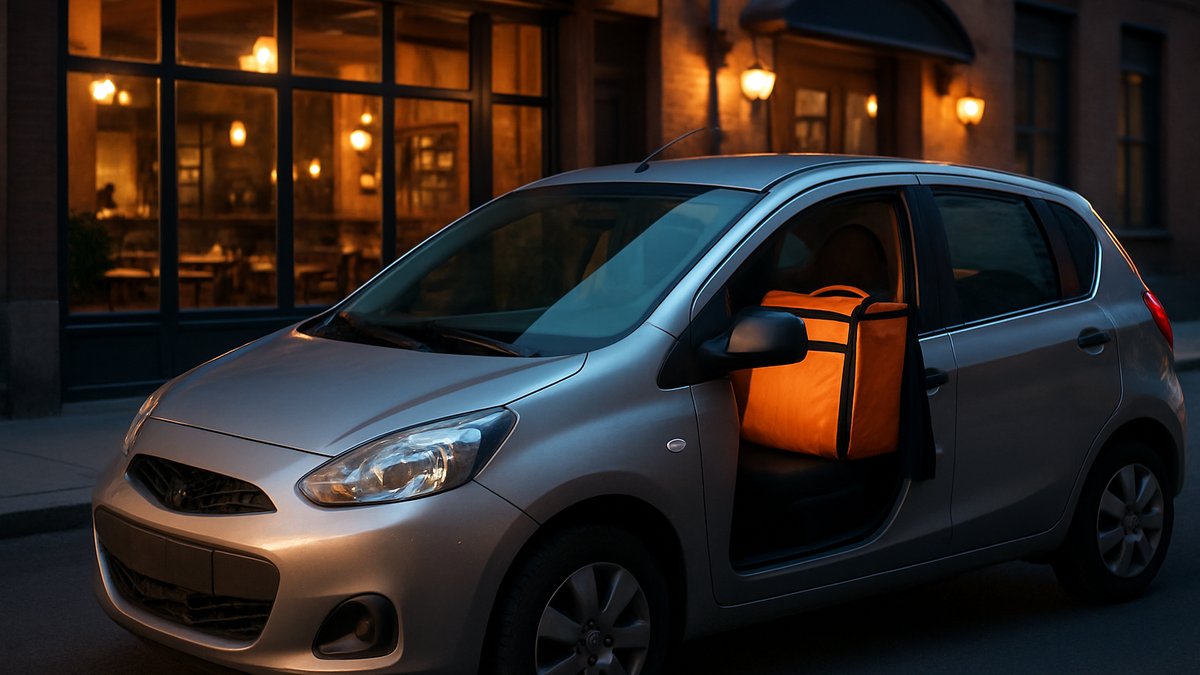
Everybody writes about renting cars for Uber. Almost nobody writes about renting for delivery, even though delivery drivers rent cars constantly and the math works differently. I've done both, rideshare for three years and delivery apps mixed in whenever surge died, so here's the guide I wish existed when my own car failed inspection two summers ago.
Rideshare platforms are picky about cars. Uber generally wants something 15 years old or newer, four doors, no cosmetic disasters, because a passenger sits in it. DoorDash could not care less what you drive. No passengers means the vehicle bar drops to "does it run."
That changes what you should rent in three ways:
You can rent cheaper cars. The $320/week rideshare-eligible sedan is overkill for dropping off pad thai. Owners on RideshareRenter often have older or two-door cars that can't do Uber but are perfect for delivery, listed $40–$80/week cheaper.
Fuel economy matters even more. Delivery is stop-start driving, short trips, engine never warming up properly. A thirsty V6 that's tolerable on highway rideshare miles will drink $90/week in city delivery driving. A Prius-type hybrid does the same routes on $35–$45. Over a month, that gap pays a week's rent.
Your interior takes the beating, not your passengers. Spilled drinks, pizza grease, that one bag of soup that was never going to survive. Get seat covers and a trunk liner on day one. Owners notice, and your deposit thanks you.
Here's the honest version. Delivery generally pays less per hour than rideshare in most markets, so the rental has to be cheaper or the hours longer for this to work.
| Casual (20 hrs/wk) | Full-time (40+ hrs/wk) | |
|---|---|---|
| Gross delivery earnings (with tips) | $350–$500 | $800–$1,200 |
| Rental | −$220 to −$260 | −$220 to −$260 |
| Gas (hybrid assumed) | −$30 to −$45 | −$50 to −$80 |
| Net | $60–$220 | $500–$880 |
See the problem in the left column? At 20 hours a week, the rental eats most of your earnings. Renting for delivery only makes sense at 35+ hours a week, or if you're stacking apps (DoorDash lunch, Uber Eats dinner, Instacart weekend mornings). If you want to dash six hours on Saturdays, use your own car or don't do it at all.
Full-timers are a different story. Multi-apping across three platforms in a dense market, working lunch and dinner rushes plus a grocery block midday, is how the drivers I know clear $900+ gross weeks. With a $240 rental and hybrid fuel costs, that's a real living, and you're doing it without passengers rating your air freshener.
Here's the move most guides miss: rent a rideshare-eligible car and run everything. A four-door hybrid that qualifies for Uber also qualifies for every delivery app on earth. Then you arbitrage your own time: rideshare during Friday night surge, Uber Eats when ride demand is dead at 2pm, Instacart on Sunday mornings when grocery orders stack up.
Drivers who single-app are leaving money on the table with a rental, because the rental cost is fixed and every idle hour raises your effective cost per earning hour. The multi-app full-timers are the ones for whom a $260/week rental is a rounding error instead of a burden.
Delivery income is streakier than rideshare. A rainy week is great; a sunny mid-January week is dead. When you have a fixed $240 weekly rental payment, streaky income means some weeks you're working Thursday just to cover the car. Budget on your worst recent week, not your best.
Wear-and-tear disputes are also more common with delivery rentals, because food mess is subjective in a way that a dented fender isn't. Photograph the interior at pickup, keep it clean weekly, and you'll be fine.
And tips, the lifeblood of delivery income, are invisible until after you accept most orders. Your real hourly rate takes a few weeks to discover in any new market. Don't sign a two-month rental commitment your first week of delivery driving. Start week-to-week, which is exactly how most RideshareRenter owners rent anyway.
No. Delivery platforms don't require you to own the vehicle. You need a valid license and insurance coverage for the use, which is exactly what a proper rideshare rental arrangement provides.
Ask owners about their non-rideshare-eligible cars: older Corollas, two-doors, high-mileage hybrids. They can't do Uber, so they rent cheaper, often $180–$230/week on RideshareRenter depending on the market.
Usually yes, and larger cars shine here. Flex blocks pay a flat rate, so a rental that fits more packages (hatchback, small SUV) earns the same money with fewer trips back to the station.
In the densest downtown cores, sometimes. But a car lets you take grocery orders, catering runs, and long-distance deliveries that pay the real money, and you're not soaked in November.
My line is 35 hours. Below that, the fixed rental cost eats too much margin. At 40+ hours multi-apping, the numbers work in most metro markets.
Drivers: Find a delivery-ready car near you on RideshareRenter, rent week-to-week directly from local owners, and stack every app you want.
Owners: Got an older car that doesn't qualify for Uber anymore? Delivery drivers will rent it. List it on RideshareRenter and turn an aging car into weekly income.




Comments