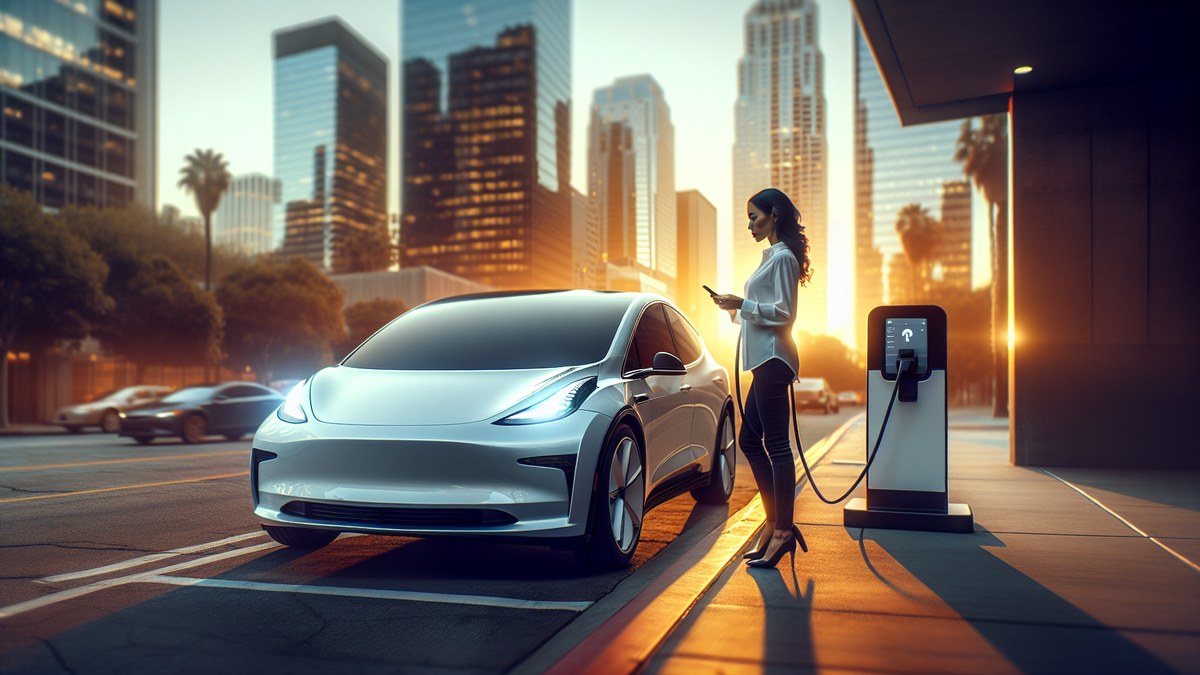
I've put close to 90,000 rideshare miles on rented cars over the last three years. Camrys, Sonatas, a CR-V for a few months, and yeah, two different Teslas. So when drivers ask me if a Tesla rental pays better than a gas Camry, I don't have to guess. I can tell you exactly where the numbers help and where they bite back.
Quick answer: a Tesla rental pencils out if you're driving 50+ hours a week in a city with cheap home charging or solid Supercharger pricing. If you're a 25-hour-a-week side hustler in a market where Superchargers cost $0.46/kWh, just rent the Camry. The savings on gas don't cover the higher weekly rental price.
Let me show you the actual breakdown.
Tesla Model 3 rentals on RideshareRenter run $359-$439 a week depending on the market. Model Y is usually $389-$479. The cheaper end skews to private listings with older Model 3 RWD builds (2020-2022). The pricier end is usually Long Range AWD or recent Model Y units that owners are trying to recoup payments on.
Compare that to a 2022-2024 Camry hybrid rental on RideshareRenter, which sits around $279-$329 a week. So you're paying roughly $80-$140 more per week for the Tesla. That extra cost has to come back to you through fuel savings or better trips. Otherwise you're just driving a fancier car for free.
People hear "no gas" and assume Tesla = pure profit. Not even close.
If you drive 1,200 miles a week (a normal full-time pace), here's what fuel actually costs:
| Vehicle | Miles/Week | Energy Cost | Weekly Fuel Bill |
|---|---|---|---|
| Camry Hybrid (47 mpg) | 1,200 | $3.45/gal | $88 |
| Tesla Model 3 (home charging) | 1,200 | $0.14/kWh | $48 |
| Tesla Model 3 (Supercharger only) | 1,200 | $0.42/kWh | $144 |
| Tesla Model 3 (mixed 60/40) | 1,200 | blended | $86 |
Read that table twice. If you can plug in at home or at a Level 2 charger your apartment offers, the Tesla saves you $40 a week on fuel. That's $160 a month. Now subtract the $80-$140 extra rental cost and you're either breaking even or losing money on the trade.
If you're 100% Supercharging because you live in an apartment with no chargers, you're losing $56 a week on fuel alone plus the $80-$140 extra weekly rental. That's $545-$785 a month worse than just renting the Camry. Don't do this.
Two things make the math flip in favor of renting a Tesla:
Uber Comfort Electric and Lux Black SUV. Model 3 qualifies for Comfort Electric in most markets, and Model Y qualifies for both Comfort Electric and (in some cities) Comfort. Comfort Electric trips pay roughly 25% more than UberX. In LA, San Francisco, Seattle, and parts of New York and DC, you can stack 6-10 Comfort Electric trips a day. That's the play.
HOV/EV lanes. California, Virginia, and Georgia let single-occupant EVs use HOV lanes with the right decal. In LA, that alone can save you 30-45 minutes during rush hour. More trips per shift, less burnout, less driver-side wear.
If you can hit Comfort Electric trips and you have home charging, here's what changes:
| Scenario | Weekly Gross | Rental + Fuel | Net |
|---|---|---|---|
| Camry on UberX (50 hrs) | $1,420 | $295 + $88 | $1,037 |
| Tesla Model 3, Comfort Electric mix (50 hrs) | $1,680 | $399 + $48 | $1,233 |
| Tesla Model 3, Supercharger only (50 hrs) | $1,680 | $399 + $144 | $1,137 |
That's a real $196 a week swing if you have home charging access. Over a 50-week year that's nearly $10K. Not bad.
I'm not trying to sell you anything I wouldn't drive myself. So here's the texture I wish someone had told me before my first Model 3 rental.
Tire wear is brutal. Teslas eat tires. The instant torque chews through rears in 18,000-22,000 miles. On a rental that's the owner's problem, but if you're hard on tires the owner can pass charges through depending on the listing's wear policy. Read the fine print.
Range drops 25-35% when it's cold. If you rent in Chicago in February, plan on charging more often than the EPA range claims. A 272-mile Long Range becomes a 190-mile Long Range at 25 degrees. That kills hourly earnings if you have to detour for a Supercharger mid-shift.
Phone-as-key is a hassle when your phone dies. I now carry a backup battery just for this. Not joking.
Riders treat the screen like a toy. Lock down the car settings before each shift or someone will change your seat heater preference and reroute your nav.
The platform lets you filter by EV. From the marketplace page, set fuel type to Electric and toggle "Tesla" under makes. You'll usually see 30-60 listings in major US markets. Sort by weekly price low-to-high if you're cost sensitive, or by year newest if you want the latest cabin and tech.
A few things to check on each listing before you hit Request:
Mileage cap matters more than usual on Teslas. Some owners cap weekly miles at 1,000 or 1,250 because they're worried about battery cycling. As a full-time driver doing 1,400+ miles a week, that's a deal-breaker. Look for listings marked "unlimited miles" or with caps of 1,500+/week.
Verify whether the listing includes a Supercharger account or whether you'll be paying out of pocket. Some owners pass through a Tesla account credential and let you pay direct billing. Others hand you the keys and you pay your own Supercharger sessions.
Check whether home charging connectors come with the rental. A NEMA 14-50 mobile connector should be included; if it's not and your apartment has a 240V outlet, you'll need to buy one ($230 from Tesla) or settle for slower 110V trickle charging.
RideshareRenter rentals come with rideshare-period coverage during active app trips, which is the way Uber and Lyft expect their TNC drivers to be insured. Off-app driving (going home, errands, deadhead miles to a charging stop) is covered under the renter's own insurance or the protection plan you pick at booking.
For Teslas specifically, watch the deductible. A bumper repair on a Model Y can run $4,800 because of the camera and sensor recalibration. Some owners require a higher security deposit ($500-$1,000) on EVs to cover that. Don't be surprised when you see it.
I won't pretend insurance is simple. It isn't. Read the protection plan carefully and ask the owner directly if you're unsure how a specific scenario is handled.
Can I rent a Tesla through RideshareRenter and drive for both Uber and Lyft?
Yes. Most listings allow multi-app driving. Check the listing's terms; a small number of owners restrict to a single platform but it's rare.
Do I need a separate Tesla account to Supercharge?
Sometimes. Some owners include their Tesla account so charging gets billed back to them and added to your weekly rental. Others want you to set up your own. Confirm before pickup.
Will the Tesla qualify for Uber Comfort Electric automatically?
Not automatically. You add the vehicle to your Uber driver profile and Uber verifies the VIN. Once the vehicle is approved, Comfort Electric trips start routing to you. This typically takes 24-72 hours after a vehicle change.
What if the battery degrades during my rental?
Normal degradation is the owner's problem. If a battery issue keeps you from working, contact RideshareRenter support for a swap or refund per the listing's terms.
Can I rent a Tesla with no credit check?
Many RideshareRenter listings don't run a hard credit pull. They verify driving record and rideshare eligibility instead. Filter listings by "no credit check" to see those options.
How long does the rental approval take?
Same-day for most listings. Owner approval, document upload, and Uber/Lyft platform sync usually wrap in 4-8 hours during business hours.
Rent the Tesla if you drive 40+ hours a week, you have home charging or cheap Level 2 access, and you're driving in a market with steady Comfort Electric demand. Otherwise stick with the hybrid Camry or Corolla and save yourself the headache.
Driver CTA: Ready to pick up a Tesla rental this week? Browse Tesla rentals on RideshareRenter and filter by your city.
Owner CTA: Have a Tesla sitting in the driveway between commutes? Tesla owners on RideshareRenter pull $1,400-$2,100/month per vehicle in passive rental income. List your Tesla on RideshareRenter and start earning.




Comments