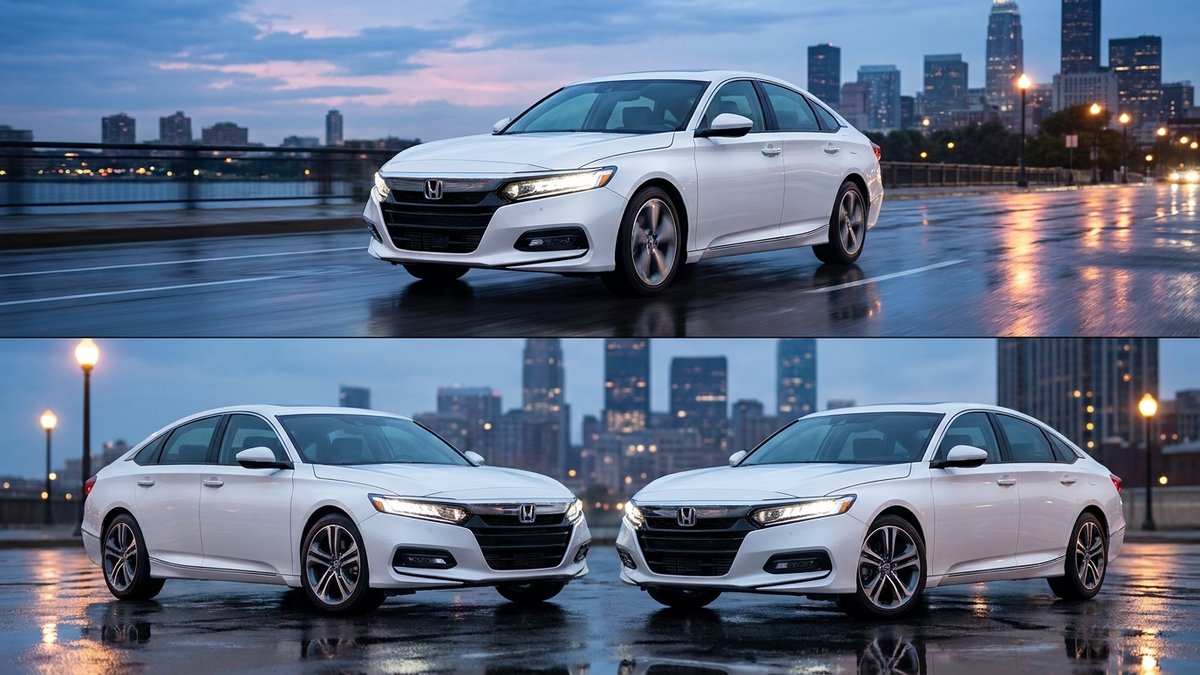
I drove on Lyft Express Drive for about four months in 2023 before I switched to renting through RideshareRenter. There's a real reason most drivers I know eventually leave Express Drive, and it isn't the cars. It's the math, the lock-in, and the surprises on weeks you don't drive much.
If you're choosing between the two right now, here's the honest comparison from someone who has actually paid both bills.
Lyft Express Drive is a rental program run through Lyft's partners (Hertz is the main one in most markets). You rent a car directly through the Lyft driver app. The car can only be used to drive on Lyft — you can't drive Uber on it, you can't drive Spark, you can't do DoorDash on it without violating the rental terms. The base weekly rate is usually $239-$329 plus tax depending on the city, and you can earn "ride credits" toward your weekly rental fee by hitting trip count targets.
RideshareRenter is a peer-to-peer marketplace. Vehicle owners list their cars; drivers rent them directly. You pick the car, agree on the weekly rate with the owner, and once approved you can drive on Uber, Lyft, Uber Eats, DoorDash, Instacart, or any combination of those that the platforms allow. Weekly rates vary by vehicle and city but generally run $250-$450 for sedans.
Here's a side-by-side based on a typical full-time week in a mid-size market like Charlotte or Nashville:
| Cost item | Lyft Express Drive | RideshareRenter |
|---|---|---|
| Base weekly rental | $279 | $285 (2020 Camry) |
| Taxes + fees | $32 | $0 (included in listing) |
| Insurance / protection | Included | $45 (included in listing) |
| Maintenance/wear charge | $0 | $0 |
| Credit if you hit 75 rides target | -$60 | n/a |
| Total out-of-pocket | $251 | $285 |
On paper, Express Drive looks cheaper. Now look at what happens when you can also drive Uber, Lyft, and Uber Eats on RideshareRenter:
| Revenue side | Lyft Express Drive | RideshareRenter |
|---|---|---|
| Lyft earnings (35 hrs) | $945 | $945 |
| Uber earnings (during slow Lyft hours) | $0 | $190 |
| Uber Eats fill-in trips | $0 | $95 |
| Gross weekly revenue | $945 | $1,230 |
| Net after rental cost | $694 | $945 |
$250 a week. That's the real difference. Over a year that's $13,000.
Here's what Lyft doesn't put in big text. If you miss the weekly ride target, you owe the full rental fee with no credits. If you drive only 20 hours one week because your kid is sick or a hurricane rolls through Tampa, you can still owe the full $300+. The credits aren't a discount, they're a target-based incentive — miss the target and the full bill hits.
And here's the bigger lock-in: you can't drive Uber on the car. So during the slow Lyft hours in your market (in most cities, weekday afternoons are dead on Lyft), you're sitting idle while Uber drivers next to you are running back-to-back trips. You can run Lyft Lux, Lyft Shared, and Lyft XL if you qualify, but you're still inside one app's economy.
On RideshareRenter, you double-app or triple-app freely. When Uber is dead, you switch to Lyft. When passenger demand drops, you flip over to Uber Eats or DoorDash. The rental doesn't care which app pays you.
Express Drive cars are mostly fleet-style mid-size sedans — late-model Corollas, Sentras, Altimas, Elantras. They're reliable and clean. They're also kind of boring. Tip psychology is real, and pulling up in another beige Corolla doesn't help.
RideshareRenter listings range from a 2019 Prius at $295 to a Tesla Model Y at $750 to a Lincoln MKZ at $360. You pick the car you want to drive based on your market and your style. If you want to focus on airport runs in a black-on-black premium sedan, that's a listing you can find. If you want a base Prius and pure efficiency, that's also there.
I'm not going to pretend Express Drive has no upsides. A few real ones:
Setup is faster. You sign up in the Lyft driver app, pass the screening, and pick up at a Hertz location often within 48-72 hours. RideshareRenter approval can take a similar amount of time, but you're also coordinating directly with the vehicle owner, which adds a step.
Roadside support is centralized. If the car breaks down, you call Hertz, they swap it. On RideshareRenter, you message the owner and the resolution path varies. Most owners are responsive. Some aren't. It's worth reading reviews before booking.
No deposit upfront. Express Drive doesn't usually require a deposit. RideshareRenter listings vary — some owners ask for a $200-$500 deposit, refundable when you return the car undamaged.
Both programs include commercial rideshare insurance. The deductibles and what's actually covered are where the differences show up.
Lyft Express Drive bundles insurance into the rental, with a typical deductible around $2,500 for at-fault collisions. That deductible has bitten more drivers than I can count when they trade paint in a parking lot.
RideshareRenter listings include protection plans that vary by tier. Premium plans often have deductibles closer to $1,000-$1,500. Basic plans can be higher. Always check the listing's protection details before you book — this is the single biggest variable between listings.
No. Express Drive's terms only allow driving on Lyft. Driving Uber, Uber Eats, DoorDash, or any other platform on an Express Drive rental violates the agreement and can get you kicked off the program.
The base weekly rate is usually similar, sometimes slightly higher on RideshareRenter. The real difference is on the revenue side — being able to drive Uber, Uber Eats, and DoorDash on a RideshareRenter rental typically adds $200-$400 a week in earnings that Express Drive blocks you from.
Express Drive is typically 48-72 hours from app sign-up to picking up the car. RideshareRenter is similar — once your driver application is approved, you book a listing and meet the owner. Some drivers report turnaround as fast as 24 hours when the owner is local and responsive.
Neither program runs a traditional hard credit pull as the primary requirement. Both check your driving record, your rideshare platform standing, and your background. Express Drive may run a soft check; RideshareRenter relies more on direct owner-set screening, ID verification, and trip history.
Both have commercial rideshare insurance in place during active trips. The differences are in deductibles, the rental's downtime fee, and how fast you get back into a replacement vehicle. Always confirm the deductible and downtime policy before signing.
You can, but you'll need to return the Express Drive car to a Hertz location during business hours and pick up your RideshareRenter rental separately. Plan a one-day gap to handle both sides cleanly.
Lyft Express Drive is a fine starting point if you only want to drive Lyft and you want the simplest possible setup. RideshareRenter wins on revenue flexibility, vehicle selection, and total weekly take-home for any driver who runs multiple apps. For full-time drivers, the multi-app freedom alone usually pays for the program switch within the first week.
Drivers: Compare hybrid, electric, and economy listings near you on RideshareRenter and start running every app you qualify for.
Vehicle owners: Drivers leaving Express Drive are actively looking for multi-app rentals. List your car on RideshareRenter and set a weekly rate that beats Hertz fleet pricing — you'll get booked.




Comments