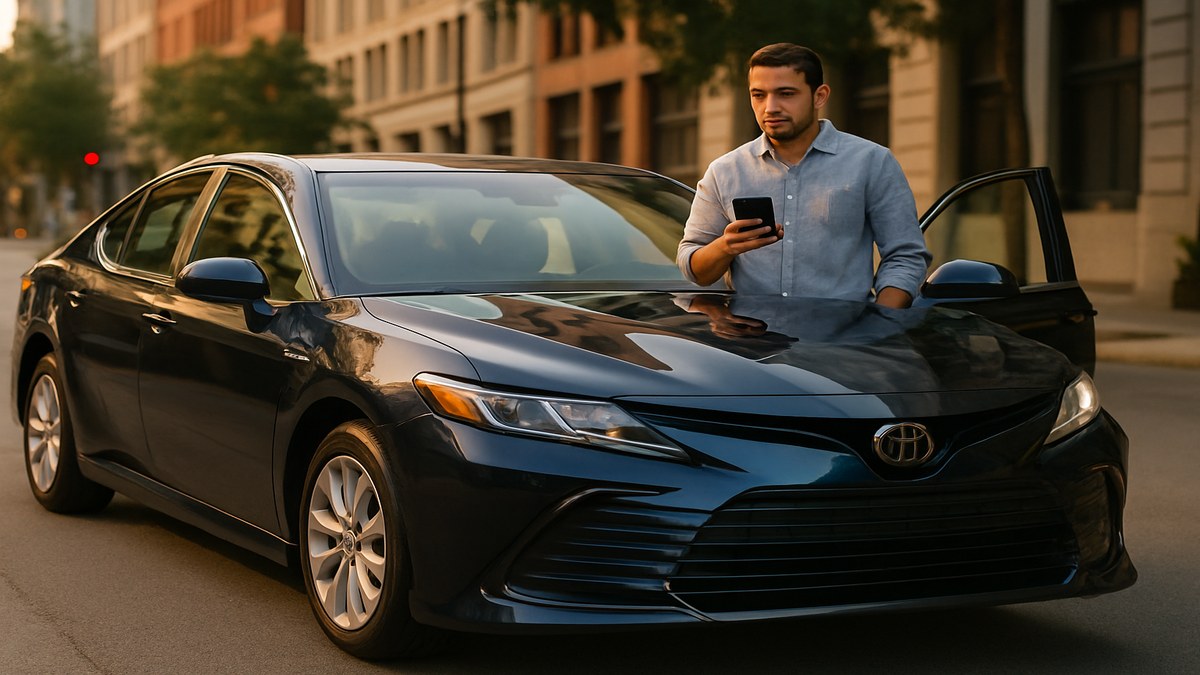
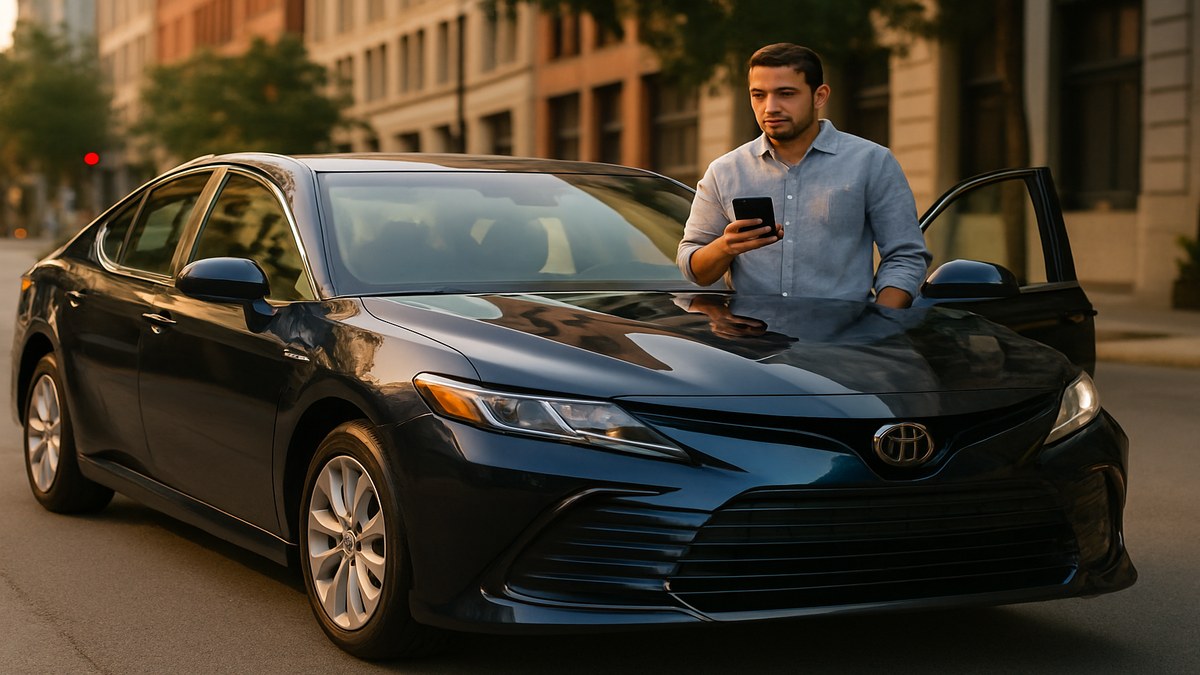
Three years renting cars on RideshareRenter taught me one thing the forums get wrong: the "best" car for Uber isn't the cheapest one. It's the one that nets you the most after fuel, after the rental, after the surge of cleaning fees when somebody spills a strawberry shake on the back seat at 2 a.m.
I've driven a 2018 Prius, a Camry Hybrid, a Tesla Model 3, and a Ford Fusion off RideshareRenter rentals. Same city. Mostly the same hours. The earnings spread between the worst and best week was about $340 net â and it came down to fuel, ratings, and one thing nobody talks about: how often the car triggers Uber Comfort.
Here's what 14,000+ trips taught me.
Numbers below are from my own logs and three other drivers in the Phoenix/Tempe market this spring. Weekly hours: roughly 45. Mix of Uber and Lyft. All cars sourced through RideshareRenter at standard weekly rates.
| Vehicle | Weekly rent | Fuel/charging | Gross earnings | Net after rent + fuel | Uber tier triggered |
|---|---|---|---|---|---|
| 2020 Toyota Prius | $259 | $92 | $1,180 | $829 | UberX |
| 2021 Camry Hybrid | $289 | $108 | $1,205 | $808 | UberX, occasional Comfort |
| 2022 Tesla Model 3 | $399 | $58 (Supercharger) | $1,415 | $958 | Comfort + Comfort Electric |
| 2019 Ford Fusion | $229 | $176 | $1,090 | $685 | UberX only |
| 2023 Kia Niro Hybrid | $279 | $84 | $1,215 | $852 | UberX, occasional Comfort |
The Fusion looks cheap on paper. It's not. Gas eats you alive at 23 mpg city.
The Tesla looks expensive. It isn't, if your market has Comfort Electric and you can hit Superchargers on slow afternoons. Mine does. Yours might not.
A Prius or Camry Hybrid will pull 45-50 mpg in the city. At $3.85 gallon â which is roughly what Phoenix averaged last month â you're spending around $85-100 a week on fuel for 800 miles of rideshare driving. A V6 sedan or older crossover puts that closer to $180.
That gap, $80-90 a week, is what kills marginal drivers. Especially when surge is flat and you're grinding for base rates.
The 2020-2022 Prius is the workhorse. It's boring. The seats are fine, not great. The trunk is small. Riders don't love it, but they don't hate it either. You'll get 4.92 stars instead of 4.97. That's it.
And it just keeps going. I've seen Prius rentals on RideshareRenter clear 280,000 miles still pulling rideshare. Try that with a Hyundai Sonata.
Not always. Not everywhere.
Tesla Model 3 rentals on RideshareRenter run $379-$429/week depending on year and city. That's $100+ more than a hybrid. You make that back if three things are true:
One: your city has Uber Comfort Electric or Lyft Lux Electric pricing. Phoenix, LA, San Francisco, Seattle, Austin, DC â yes. Houston, Tampa, Indianapolis â no, or barely.
Two: you have Supercharger access without driving 30 minutes for it. Tesla's Supercharger network is solid in the West and getting better elsewhere, but if your nearest one is across town, the math falls apart fast.
Three: you're putting in real hours. A Tesla makes the most economic sense when you're running 45+ hours a week. Below 30 hours, the rental premium eats the EV savings. Just rent the Prius.
Real talk. A few patterns to skip:
Older crossovers (Ford Escape pre-2019, Nissan Rogue pre-2020). Insurance gets weird because of size class, mpg is 24-26 combined which kills you on fuel, and Uber doesn't bump them to Comfort unless they're newer than 2018. You pay for the SUV badge without the perks.
Anything with under-4.5-star reliability scores on Edmunds. I'm looking at Chevy Cruze, older Jettas, and any Mitsubishi. Maintenance pulls them off the road. When that happens to your rental, your week ends. Owners on RideshareRenter list them cheap for a reason.
V6 anything. Doesn't matter how clean it looks. Camry V6, Accord V6, Altima V6 â fuel destroys you.
Uber Comfort pays about 20-30% more per trip than UberX, depending on city. To qualify, the car typically needs to be 2017 or newer, midsize or larger, four doors, and you need a 4.85+ rating.
If you're renting a 2018 Camry Hybrid through RideshareRenter at $279/week, you trigger Comfort in most markets. That premium tier, even if it's just 25% of your trips, adds roughly $65-90 to a 45-hour week. Same hours. Same effort.
Compare to a 2019 Prius at $259/week. Saves you $20 in rent. Loses you $65 in Comfort premiums you can't access. Bad trade.
This is the kind of thing the spec sheet never tells you. The Prius is cheaper. The Camry Hybrid is more profitable. They're different decisions.
If I had to start over today, knowing what I know:
Driving 40+ hours, urban market with surge: 2021+ Camry Hybrid. Triggers Comfort, drinks fuel like a small bird, $279-$305/week range on RideshareRenter.
Driving 30 hours or less, mostly UberX: 2020+ Prius. Cheapest reliable workhorse. $239-$269 in most markets.
Driving 50+ hours in a Supercharger-friendly city: Tesla Model 3. The fuel savings plus Comfort Electric premium beats hybrid economics once you cross 45 hours.
Driving part-time, weekends only: Kia Niro Hybrid or Hyundai Ioniq Hybrid. Both undersold on the platform, both 50+ mpg, both rated for Comfort in newer model years.
Filter for rideshare-approved listings only. Sort by weekly rate. Read every review, especially the three-star ones â those are where you find the actual issues.
Look for owners who include unlimited miles or 1,500+ weekly miles. Mileage caps will wreck your earnings if you're full-time.
Check the photos. Cars listed by experienced rideshare-fleet owners look different from "I'm renting my second car to make some money" listings. The fleet owners' photos show clean exteriors, professional interiors, and usually a printed insurance card on the seat. Those rentals come back to you. The other ones sometimes don't.
Message the owner before booking. Ask what insurance is included and what the deductible is. If the answer is vague, scroll past.
Sub-$229/week is realistic for older Prius, Corolla, or Fusion hybrid rentals in most US markets. Anything below $200 usually has high mileage, no rideshare insurance bundled, or a small trunk that breaks Uber XL eligibility. Cheap upfront often costs more by Friday.
Not directly for hybrids â they slot into UberX. EVs may trigger Comfort Electric if your city has the tier, and that pays 20-35% more per trip. Hybrids win on operating costs; EVs win on per-trip premiums where the tier exists.
Yes â most listings on RideshareRenter are gig-flexible. Confirm with the owner that delivery use is allowed before booking. Owners care because food spills and constant short stops wear the interior faster than rideshare.
Probably not for the first 60 days. You're still figuring out hours, surge windows, and your city. The Tesla premium pays off when you've optimized your schedule and you're running 45+ hours a week. Start with a Prius, switch later.
Older Prius (2016-2019) consistently posts the lowest rates â usually $199-$249 weekly. Some 2017-2020 Sentra and Corolla listings also drop into that range. Verify the year qualifies for Uber in your market.
Roughly 25 hours minimum to clear your rent, fuel, and insurance and walk away with profit. Below 20 hours, you're working for the platform and the rental owner with nothing left for you. Most full-timers run 40-50.
Drivers: Browse rideshare-approved rentals in your city on RideshareRenter. Filter by hybrid, EV, or your weekly budget, and you'll see what's actually available near you today.
Vehicle owners: Got a hybrid sedan, Tesla, or reliable midsize sitting more than it drives? List your car on RideshareRenter. The cars in this article were paying their owners $750-$1,100 a month after expenses. Yours could too.




Comments