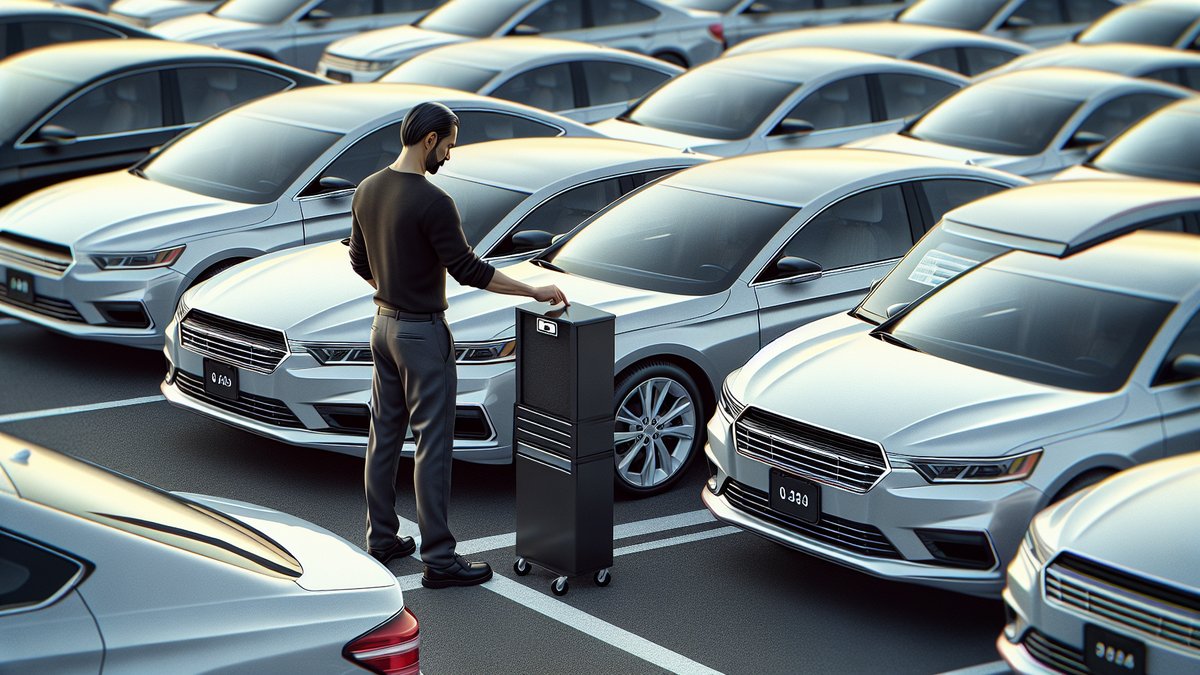
I've been driving for Uber and Lyft for three years, and I can tell you this: vehicle requirements get complicated fast. Most drivers don't realize their car might be disqualified until they're rejected during approval. Sometimes it's something fixable. Sometimes it's not. Let's walk through exactly what works and what doesn't in 2026, because the rules vary by platform, city, and what service level you're targeting.
Here's the first thing to understand: Uber and Lyft don't have the same age requirements. Uber typically requires vehicles to be 15 years old or newer for UberX service, while Lyft generally accepts vehicles that are 12 years or newer. That's a meaningful difference. If you're driving a 2012 model, Lyft will approve you in most markets, but Uber won't touch it.
That said, this isn't universal. Some major cities have stricter rules. San Francisco and Los Angeles, for example, have gotten more aggressive with emissions standards and age limits. You could theoretically qualify for UberX in rural Texas with a 2009 vehicle, but in California, you're looking at a 2012 minimum in many cases.
Why the difference? Insurance liability, emissions regulations, and safety ratings all factor in. Newer cars have better crash test ratings. They've got modern airbag systems. The insurance pools make more sense for both platforms. It's not personal. It's just math.
You cannot drive UberX or Lyft in a two-door vehicle. Period. I've seen drivers try. They all get rejected. The platforms cite passenger safety and comfort as reasons, but honestly, they also don't want the liability headache. Convertibles, coupes, two-door sedans—doesn't matter how nice they are. They don't qualify.
The only exception is if you're driving Uber Black or Uber Black SUV. Those premium tiers sometimes allow luxury coupes (think 2-door Range Rovers or certain luxury models), but you need prior approval. And you need to be in a market where Black service operates, which is mostly major cities.
If you've got a 2018 Honda Civic coupe sitting in your garage, you're looking at either selling it or keeping it for personal use. RideshareRenter can help if you need a qualifying four-door instead—they work with drivers to match vehicles that actually pass approval.
Not all Uber tiers have identical vehicle standards, and this matters if you're trying to maximize earning potential.
UberX is the base tier. This is where most requirements kick in: 15 years or newer (though it varies by market), 4-door, decent condition, clean title, pass inspection. Interior and exterior need to be maintained reasonably. You can't have stains all over the seats or a huge dent in the door.
Uber Comfort sits in the middle. It requires a slightly newer vehicle (often 2015 or newer), leather or premium upholstery, more space, and passengers pay extra for it. Not every market has it. If you're in a market where it exists, it's worth pursuing because the per-mile rates are higher than UberX. I made about 18% more per ride with Comfort than X, though I had fewer total requests.
Uber Black is where luxury matters. You're typically looking at vehicles from 2015 or newer, often limited to specific luxury brands: Mercedes-Benz, BMW, Audi, Lexus, Cadillac. Clean interior, professional appearance, sometimes less than 100,000 miles. The payoff is real—I know drivers making $35–$45 per ride with Black, compared to $12–$18 with UberX. But you need both the right car and usually some experience under your belt before Uber invites you to Black.
Lyft's vehicle standards are more straightforward than Uber's. 12 years or newer in most markets, 4-door, clean title, no major damage. They're generally less picky about cosmetics than Uber—I've seen Lyft approve cars that Uber rejected for minor interior wear.
That said, Lyft Premium (their higher-tier service) does exist and requires newer vehicles, typically 2015 or newer. Not every city has it, and not all drivers qualify immediately. Like Uber, it pays better per ride, but the volume of requests is lower.
Lyft doesn't have a Black equivalent, so your upgrade path is basically X to Premium. That's it. That limitation is one reason some drivers do both apps—Lyft for base service, Uber for potential Black earnings.
Both platforms require a vehicle inspection before you can start driving. Don't assume passing a state inspection means you'll pass Uber or Lyft. These are different.
Inspectors look at:
The inspection is usually done by a third-party shop Uber or Lyft contracts with, or sometimes at a local inspection center. It costs anywhere from $15 to $50 depending on your market. Some cities make you do it annually. Others, every few years. Check your city's requirements before you schedule.
I've failed an inspection because my tires were at 4/32" tread—technically legal for street driving but not for rideshare. Cost me $400 for new tires and a re-inspection. Lesson learned: get a pre-inspection from a tire shop if you're borderline on tread depth.
Clean title is non-negotiable. Here's what gets you rejected:
Salvage title: The car was declared a total loss by an insurance company. Both Uber and Lyft reject these outright. No exceptions. I know it seems unfair if the repair was solid, but liability is liability.
Branded title (rebuilt): This is tricky. A vehicle with a branded "rebuilt" title (meaning it was salvage but has been repaired and passed inspection) is sometimes acceptable, but only in certain states and markets. California and New York are stricter about this. Texas and Florida are more flexible. You'll need to check your specific state and then verify with the platform.
Commercial title: If the vehicle is registered as a commercial vehicle through your state's DMV, rideshare platforms might reject it. There's also a licensing issue here—you may need a commercial driver's license depending on your state. It's a mess. Stick with personal registration if you can.
Liened title: If you don't own the vehicle outright and still have a lender on the title, that's generally fine as long as the title shows you as the registered owner. The lien is just financial. But you need to be the titled owner to qualify for Uber or Lyft.
National requirements are just the baseline. Cities add their own rules.
California is strict. They've tightened emissions standards and prefer newer vehicles. Age requirements here are often 2012 or newer, sometimes 2013. Your vehicle also needs to meet California's specific emissions tests.
New York City has its own medallion system for Uber/Lyft and specific requirements for TLC (Taxi and Limousine Commission) vehicles. Age, mileage, condition—all stricter than most places. You're also required to get a TLC license separately, which is its own process.
Texas is more relaxed. Year model requirements are basically the platform defaults (15 for Uber, 12 for Lyft). Less focus on emissions. Fewer inspections required in some areas.
Florida accepts older vehicles than many states but has strict safety inspection requirements, especially around hurricane-season damage.
If you're in a major metro area, check your specific city or county website plus the Uber/Lyft driver requirements page. Rules update throughout the year, and you want current information, not assumptions.
If you don't own a car, or your car doesn't qualify, RideshareRenter solves this directly. They work with drivers to provide vehicles that already meet Uber and Lyft standards. You're not guessing. You're not finding out mid-approval that your salvage-title car won't work. RideshareRenter pre-vets everything: title status, age, condition, inspection readiness. You rent the vehicle, they handle the approval logistics, and you start earning.
This matters because approval rejection costs time and opportunity cost. You're waiting to drive. Every week your account is in limbo is earnings you're not making. RideshareRenter shortens that gap significantly.
Rental rates run roughly $200–$400 per week for UberX-qualifying vehicles, though this varies by market and vehicle type. Yes, that cuts into your profit margin. A UberX driver in a competitive market might net $15–$20 per hour, so a $300 weekly rental is real money. But if you don't have another option, it beats unemployment, and some drivers transition from renting to owning once they've built up capital.
Excessive mileage: There's no hard cutoff, but vehicles with 200,000+ miles get scrutinized harder. At 250,000+ miles, approval becomes unlikely. Uber Black is stricter—often under 100,000 miles preferred.
Outstanding recalls: Your car has an open safety recall. You need to get it fixed before approval. Don't ignore recall notices.
Commercial damage: Evidence the vehicle was used commercially (taxi, fleet use) before. Worn interior, commercial upholstery, taxi-meter markings. Inspectors can spot this. You'll need a really clean vehicle to overcome that history.
Modified suspension or extreme lowering: Some inspectors reject this. It's about safety and liability. Stock suspension is safest bet.
Roof racks or external cargo carriers: Depends on the inspector, but some reject them. Remove them before inspection if you're borderline.
Heavily tinted windows: Varies by state law, but if your state restricts tint, it'll disqualify you. Check your state's window tint laws before inspection.
If you answered yes to all of these, you're probably good. If even one is no, research the specific issue for your market before submitting your application.
Q: My car is 14 years old. Can I drive UberX?
A: Not for standard UberX. Uber requires 15 years or newer for most markets. Check your specific market on the driver dashboard, but the standard is 15. Your car might work for Lyft at 12 years old, though.
Q: Does a salvage title disqualify me permanently?
A: Yes, from Uber and Lyft directly. Period. If it's rebuilt and re-branded, some states allow it, but you need to check your state law first. Even then, the platform might still reject it. Assume rejection and look for an alternative vehicle.
Q: Can I use a two-door luxury car for Uber Black?
A: Potentially, but you need pre-approval. Most two-door vehicles still get rejected. Email Uber support for Black service eligibility before investing in approval.
Q: What's the mileage limit for Uber?
A: No hard limit, but 200,000+ miles triggers closer inspection. 250,000+ miles makes approval unlikely. For Uber Black, under 100,000 miles is the sweet spot.
Q: Can I rent a car and use it for rideshare?
A: Standard car rental agreements prohibit this. Hertz, Enterprise, Budget—they'll revoke your account and potentially sue if you use their vehicle for rideshare. RideshareRenter is specifically designed for this. Commercial rental companies are not.
Q: How long does vehicle approval usually take?
A: 3–7 days if everything checks out. If there's an issue, it can take weeks. If you're renting through RideshareRenter, they coordinate this and typically get you approved faster because they handle the logistics.
Vehicle requirements in 2026 come down to a few hard rules and some soft expectations that vary by city. Age and title are non-negotiable. Four doors are non-negotiable. Everything else depends on your market and which platform you're driving.
If you own a car that meets the standards, great. Start your approval process and plan for a week or two of back-and-forth. If you don't own a qualifying vehicle, RideshareRenter removes that barrier. You don't have to buy a car you can't afford. You don't have to figure out whether your 2011 sedan might work in your specific county. You get a vehicle that's pre-vetted and ready to earn.
Either way, check your city's specific requirements before you apply. Rules change. Inspectors vary. Starting with current information beats finding out you don't qualify after a month of application back-and-forth.
For Drivers: Ready to start driving but unsure if your vehicle qualifies? Get your approval fast. Apply with RideshareRenter today—we'll handle the vehicle requirements so you can focus on earning.
For Vehicle Owners: Own an extra vehicle gathering dust? Rent it out to rideshare drivers through RideshareRenter's owner program—generate steady passive income while helping drivers get on the road.




Comments