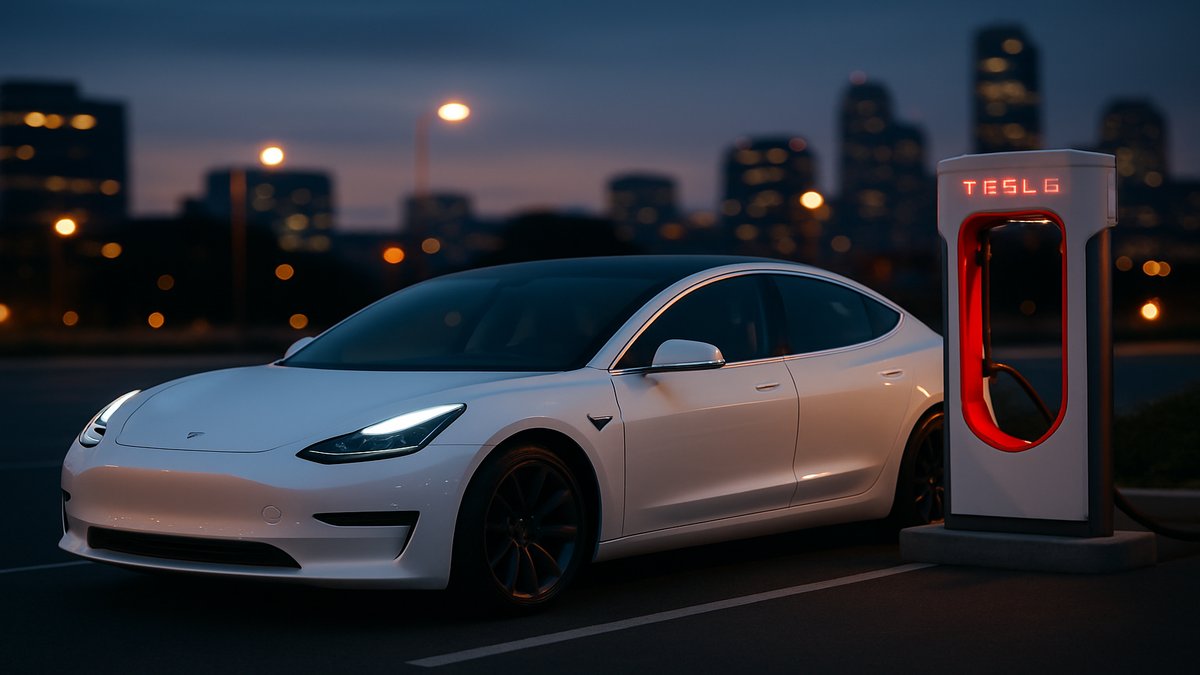
A Tesla Model 3 rental on RideshareRenter usually costs $80–$140 more per week than a Toyota Prius or Camry hybrid. You save roughly $90–$160 a week on fuel, depending on your market. So the math is closer than people make it sound. Where Teslas actually win is Uber Comfort Electric and Lyft Lux trips — the per-mile rate bump is real, and Tesla riders tip better in my experience.
Where they lose is when you can't find chargers near peak demand zones. Lost an hour Tuesday night chasing a Supercharger in Mesa. That hour cost me about $35 in missed surge.
Here's what I'm seeing across the listings in May 2026 across the markets I drive in regularly:
| Vehicle | Typical weekly rate | Fuel/charging weekly cost | Net weekly cost |
|---|---|---|---|
| Tesla Model 3 (2022–2024) | $360–$480 | $30–$55 | $390–$535 |
| Tesla Model Y (2022–2024) | $420–$540 | $35–$65 | $455–$605 |
| Toyota Prius (hybrid) | $260–$330 | $90–$130 | $350–$460 |
| Toyota Camry hybrid | $280–$360 | $100–$140 | $380–$500 |
| Hyundai Elantra | $240–$300 | $140–$190 | $380–$490 |
So a Model 3 at $420 a week with $40 in Supercharging is $460. A Prius at $290 a week with $115 in gas is $405. The Prius wins by about $55 a week on raw cost.
Where the Tesla pulls ahead is on the upper trip categories.
Uber Comfort Electric pays roughly 20–30% more than UberX in most markets. I tracked my own trips last quarter. Driving a Model 3 in Phoenix, I earned about $1.42/mile on Comfort Electric versus $1.08/mile on UberX in a Prius. Over a 35-hour week that worked out to about $180 more, before tips.
Lyft Lux Electric (where available) pays even more, but the rider volume is thinner. You'll wait longer between pings. In my experience that washes out a lot of the per-trip premium unless you're driving downtown core during commute hours.
The tipping difference is real but I don't want to overstate it. My tip rate on Comfort Electric runs around 22%. On regular UberX it's about 14%. Tesla riders are more likely to be tech workers, business travelers, people on expense accounts. They tip on the app, not in cash.
Charging is the whole game. If you live near a Supercharger or your RideshareRenter listing includes a Level 2 home charger, you're fine. If you don't, you're going to spend real time hunting electrons during your shift. Free public chargers exist but they're slow and they're crowded. I've waited 25 minutes for a slot at a Walmart EVgo before. That's $20 of lost earning at minimum.
Tesla Superchargers are reliable but they cost real money during peak hours — I've paid $0.48/kWh in California, which works out to about $0.14/mile. That's not the "drive for pennies" pitch you see in YouTube videos.
Phantom drain is another one. Park overnight without plugging in and you'll lose 5–15 miles of range to climate management and sentry mode. Over a week that's a full charge cycle of pure waste.
Tires wear faster on Teslas because of the torque and the weight. A Model Y eats a set of tires in about 22,000 miles of rideshare driving. A Camry will get you 40,000+. Tires are usually the renter's responsibility past normal wear — check the listing terms before you commit.
Three scenarios where I'd push you toward the Tesla every time:
You live in a market with strong Comfort Electric demand. Bay Area, LA, Seattle, Austin, Denver, Phoenix metro. You'll see EV-tier pings consistently.
You have charging access where you park. A RideshareRenter listing with included Level 2 charging is gold. Some owners offer this and don't even advertise it well — message the owner and ask.
You drive 40+ hours a week. The fuel savings scale with miles. Under 25 hours a week, the Prius math beats the Tesla math almost every time.
Part-time driving, under 20 hours a week. You can't amortize the higher rental rate against enough trips.
Markets with thin Supercharger coverage outside the city core. Tampa, Tucson, Albuquerque, most of the Carolinas outside Charlotte. The charging time eats your earnings.
Suburban driver who lives far from chargers. If your home address is more than 8 miles from a Supercharger or fast charger, you're losing 30+ minutes per shift just on charging logistics.
Long airport runs. Yes, the trip pays well. But sitting in the airport queue with 12% battery and no nearby Supercharger is one of the worst feelings in this gig.
Tolls. Tesla rentals on RideshareRenter don't usually include a transponder. Check whether the owner provides one. In Florida and Texas, toll exposure for rideshare drivers runs $25–$60 a week. If you have to pay video-toll surcharges on a rental, that's a lot more.
Cleaning fees from riders. Tesla white interiors get destroyed. Two spills my first month — both reimbursed by Uber, but the time to file is real. If the rental has a darker interior, snap that one up.
Owner-imposed mileage caps. Some Tesla owners on RideshareRenter cap you at 1,500 miles a week. For full-time drivers that's tight. Always check the mileage allowance before booking. Overage fees of $0.15–$0.25 a mile add up fast.
Honestly, for most drivers the answer is "drive a hybrid until you've proven you can clear $1,200 a week consistently, then think about the EV." The Tesla isn't a magic upgrade. It's a tool that works great in the right market with the right charging setup, and it's a money loser in the wrong one.
If you're already clearing high hours in a Comfort-Electric-heavy market, the Tesla pays for itself and then some. If you're new or part-time, start with the cheapest reliable hybrid you can find on RideshareRenter and build from there.
Can I switch from a Tesla rental to a different vehicle if it's not working out? Yes. RideshareRenter listings are mostly weekly or monthly. End the rental at the term, pick a different car. Some owners will let you swap mid-term if they have another car available. Always ask.
Does the Tesla need a rideshare-specific insurance rider? The owner's listing on RideshareRenter includes the platform's standard rideshare-eligible coverage. You'll want to confirm gap coverage for the rideshare period (period 1 between accepted ride and pickup) — most setups handle this but read the policy summary.
What about Tesla autopilot for rideshare driving? Use it cautiously and only on highways. Riders complain about phantom braking on city streets and you'll lose stars. I keep autopilot off below 50 mph. Standard accident liability terms still apply whether autopilot is on or off — you're the responsible driver.
Will Uber pay extra for a Tesla Model Y vs Model 3? Both qualify for Comfort Electric and Comfort. The Model Y also qualifies for UberXL in some markets if it's a 5-seater with extra cargo, which is a higher rate again. Check Uber's vehicle requirements in your city.
Can I list my own Tesla on RideshareRenter as an owner? Yes. Tesla owners earn some of the highest per-week rents on the platform — typical $360–$540/week — because EV demand is strong. Listings with included Supercharger credits or home charging rent fastest.
What happens if I get a ticket for a moving violation in a Tesla rental? Tickets are the driver's responsibility, same as any rental. Pay it through the standard process. Repeated violations can disqualify you from future bookings on RideshareRenter.
If you're a driver, the fastest path is to filter listings by Tesla on RideshareRenter and message two or three owners about their charging setup before you book. Pick the one closest to where you park overnight.
If you own a Tesla and you're tired of watching it depreciate in the driveway, list it on RideshareRenter. Tesla listings rent within 4–7 days on average and the weekly income beats most passive options I've seen.




Comments