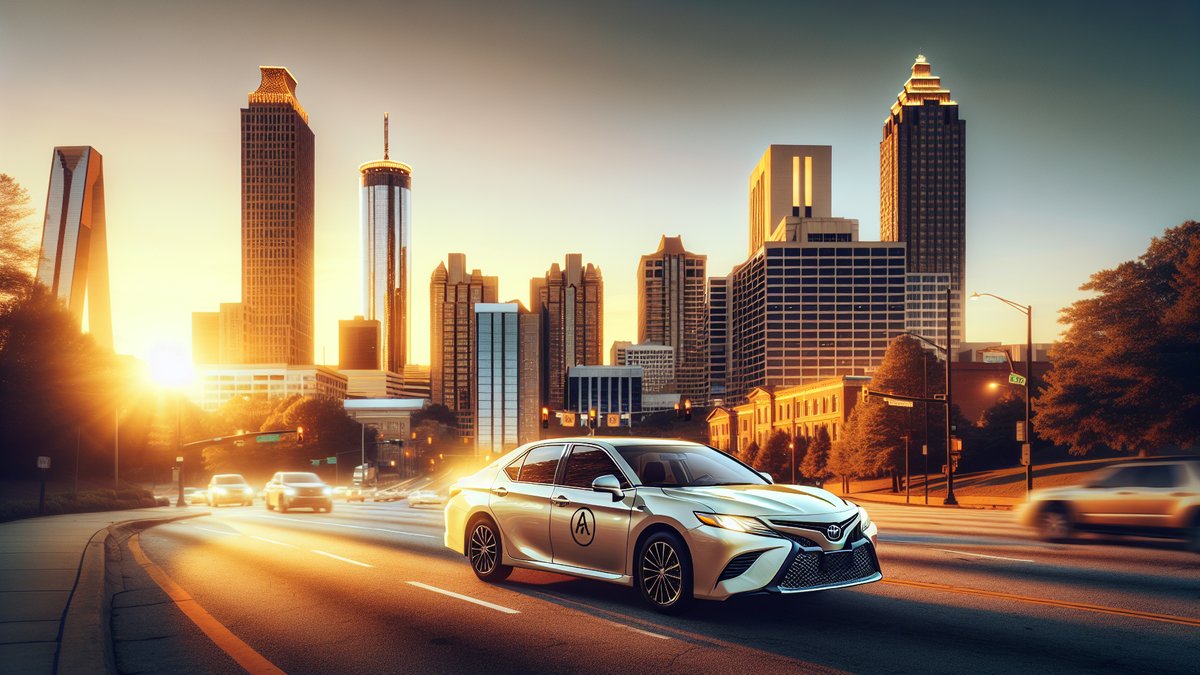
Atlanta’s rideshare market is one of the busiest in the Southeast. Between Hartsfield-Jackson (the world’s busiest airport by passenger traffic), a sprawling metro area with limited public transit, and a constant stream of conventions, concerts, and sporting events, there’s no shortage of ride requests. But you need a car to tap into it. If you don’t own one — or yours doesn’t qualify — RideshareRenter connects you with local vehicle owners who rent cars specifically for rideshare and gig economy driving.
Atlanta’s rideshare demand is fueled by a few things other cities can’t match. The airport alone generates thousands of ride requests daily — drivers who learn the airport queue system can string together 3–5 airport runs per shift at $25–$45 each. The city’s layout helps too: Atlanta is spread out, and distances between popular destinations (Buckhead to Midtown, Midtown to the airport, Decatur to downtown) mean longer rides with higher fares compared to compact cities where every trip is 8 minutes.
Major demand zones include Hartsfield-Jackson International Airport, Buckhead (nightlife and business travelers), Midtown (events, restaurants, hotels), Downtown/Mercedes-Benz Stadium area, the Battery at Truist Park, Emory University / CDC area, and Atlantic Station. Weekday mornings and Friday/Saturday nights are consistently the highest-earning periods.
Atlanta drivers working 40–50 hours per week report grossing $1,400–$2,200 weekly depending on hours, vehicle type, and how aggressively they work surge periods. Airport runs, event surges (Braves, Hawks, Falcons, United), and the steady business traveler demand from Monday through Thursday make this a market where full-time driving pencils out.
| Vehicle Type | Typical Weekly Rate | Typical Monthly Rate |
|---|---|---|
| Economy (Corolla, Civic, Elantra) | $210–$260 | $720–$900 |
| Midsize (Camry, Accord, Sonata) | $260–$320 | $900–$1,100 |
| Hybrid (Prius, Ioniq) | $290–$360 | $1,000–$1,250 |
| SUV / XL (Highlander, Pilot) | $350–$430 | $1,200–$1,500 |
Atlanta’s rental rates are slightly below the national average, which is good news for drivers — lower costs with strong earning potential means better margins. Insurance inclusion varies by owner, so always confirm before booking.
Georgia has relatively straightforward requirements for rideshare drivers compared to states like California or New York. Here’s what you need:
Georgia does not require a separate TNC (Transportation Network Company) permit for individual drivers — the platform handles the state-level authorization. Atlanta does not have additional city-level licensing requirements for rideshare drivers, unlike some other major metros.
Morning rush (6–9 AM): Airport pickups, business district drop-offs in Buckhead/Midtown. High volume, moderate fares.
Midday (11 AM–2 PM): Slower period. Best used for delivery apps (DoorDash, UberEats) or positioning near the airport for the afternoon travel wave.
Afternoon/evening (4–7 PM): Surge pricing kicks in around Midtown and Buckhead as commuters and dinner crowds come out. Airport departures slow down, but pickups increase.
Night (9 PM–2 AM, Fri/Sat): This is where the money is. Buckhead bar scene, Midtown restaurants, events at State Farm Arena or Mercedes-Benz Stadium. Surge multipliers of 1.5x–3x are common after midnight on weekends.
Game days / concert nights: Position yourself near the venue 30 minutes before the event ends. A single post-concert surge ride from State Farm Arena to the suburbs can pay $35–$60.
Let’s not pretend Atlanta traffic isn’t awful. I-285, I-85, and the Downtown Connector are parking lots during rush hour. This cuts both ways for drivers: longer rides mean higher fares (Uber pays by time and distance), but you also burn more gas sitting in traffic and complete fewer rides per hour.
Smart Atlanta drivers avoid the interstate during peak congestion. Learn the surface street shortcuts — Ponce de Leon, Peachtree (all 70+ versions of it), and the side streets through Virginia-Highland and Inman Park. Waze or Google Maps with real-time traffic is mandatory, not optional.
Also: Georgia’s HOV lane on I-85 inside the Perimeter is free for vehicles with 2+ passengers. If you’re doing an UberPool/shared ride, you can legally use it and save 15–20 minutes on some routes.
Uber’s own vehicle marketplace and rental partnerships exist in Atlanta, but they’re typically more expensive than what you’ll find on RideshareRenter. Corporate rental programs through Hertz or Avis charge $300–$450/week for basic sedans with strict mileage limits. On RideshareRenter, local vehicle owners set competitive rates and most offer unlimited miles for rideshare use — because they understand that mileage limits don’t work for full-time drivers.
Fair and Flexdrive (Lyft’s rental partner) are other options, but their availability in Atlanta fluctuates and pricing often runs $50–$100/week higher than peer-to-peer rentals on RideshareRenter.
For drivers: Browse rideshare rentals in Atlanta on RideshareRenter. New vehicles are listed regularly by local owners. You can be driving within 48 hours of signing up.
For vehicle owners in Atlanta: With one of the strongest rideshare markets in the country, Atlanta vehicle owners see consistent demand year-round. List your car on RideshareRenter and connect with drivers who need a vehicle today.
Full-time drivers (40–50 hours/week) in Atlanta typically gross $1,400–$2,200 per week. After rental costs of $210–$360/week and other expenses (gas, insurance), most drivers net $800–$1,400 weekly. Airport runs, event surges, and weekend nightlife are the biggest earning opportunities.
No — you can drive for Uber in Georgia with a valid license from any US state. However, Uber requires you to drive in the state where your account is registered. If you’re moving to Atlanta, update your Uber account to the Georgia market.
Yes, for most drivers. Airport fares average $25–$45 per ride and the demand is consistent. The airport queue system means some waiting (15–45 minutes during slow periods), but experienced drivers time their arrivals to match incoming flight waves and minimize dead time. Early morning (5–8 AM) and late afternoon (3–6 PM) are the best windows.
Economy sedans on RideshareRenter start around $210/week or $720/month in the Atlanta market. Monthly rentals save 13–15% compared to weekly rates. The cheapest option is typically a 2018–2020 Corolla or Civic from a private owner — these vehicles are reliable, fuel-efficient, and meet all Uber/Lyft requirements.




Comments