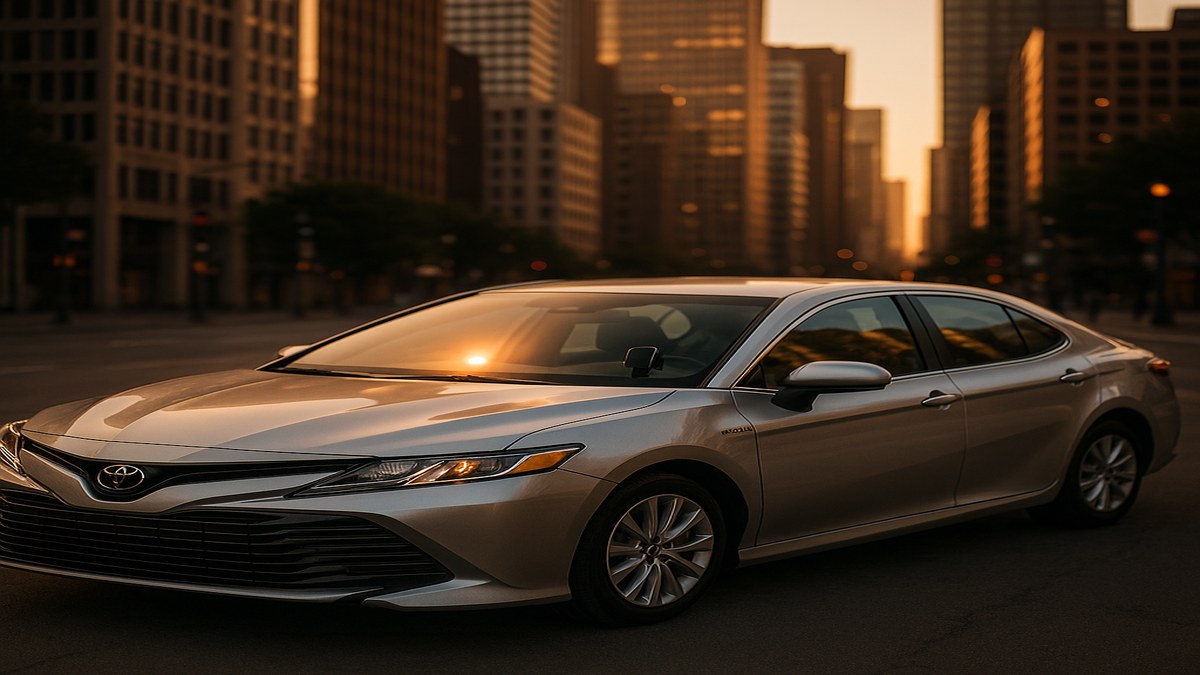
Renting a car to drive Uber or Lyft costs roughly $280 to $420 a week through RideshareRenter, depending on the city and vehicle. That number is fixed. Your earnings aren't. So the difference between a rental that pays for itself by Tuesday and one that bleeds money until Sunday comes down to when you turn the app on.
After three years of full-time driving and a lot of bad Mondays, here's how I'd structure a week if I picked up a rental tomorrow.
Forget the "make $1,200 a week!" billboards. A rental driver in a mid-sized US market grosses somewhere between $24 and $34 an hour during decent demand windows, and $12 to $18 during dead time. Subtract gas (figure 18 to 24 cents per mile on a hybrid, more on a gas SUV), and net pay swings a lot.
If your rental costs $320/week, you need to hit roughly $440 in gross fares before you've covered the rental plus fuel. That's 13 to 18 working hours in good windows. The rest of the week is profit.
The mistake new rental drivers make: spreading those 13 hours across the worst times of the week. Don't do that.
This is the single most profitable block in almost every US market. Bar closings, restaurant turnovers, concert lets-out, sports games. Surge usually kicks in around 11 PM in entertainment districts and runs through 2 AM. Expect $32 to $50 an hour gross in cities like Atlanta, Nashville, Denver, or Dallas if you stay near the action and accept short trips.
One thing nobody tells you: the 11 PM to midnight window often pays better than the 1 AM rush because you're picking up the early-leavers before every other driver wakes up. I've cleared $58 in 50 minutes on a Saturday at 11:20 PM. I've also sat empty at 1:45 AM waiting for drunks who never request.
Quieter than weekends, but consistent. Airport runs, business district drop-offs, parents who can't deal with the school drop-off line. Pay is steady at $26 to $34/hour with low cancellation rates because riders are on a clock.
If you're driving a rental, the morning block is your friend. Low mileage, short trips, almost no cleaning incidents.
Surprised? Sunday mornings are slept-on. Hungover folks request rides to brunch, late churchgoers, and a huge wave of Sunday afternoon flights. Airport queues in cities like Phoenix, Tampa, and Charlotte can pay $45+ on a single trip. Pair that with a brunch run-around and you're at $30/hour without trying hard.
The weakest of the five. Surge is shorter and rarer than people think. But if you're already out and the morning was good, this block keeps the rental "working." Pay sits around $24 to $30/hour. Don't chase it from a cold start.
Stadium games, concerts, conventions, festivals. Set Google Calendar alerts for arena schedules in your city. A single Taylor Swift night cleared me $340 in four hours. A Sunday NFL home game runs $180 to $260 for the post-game wave alone. Big events are where rental drivers crush owners — you can pull the all-nighter without trashing your own depreciation.
Some hours look busy on the heat map but pay terribly once you factor in cancellations, dead miles, and the time-suck of long pickups.
| Window | Avg gross/hr | Why it underperforms |
|---|---|---|
| Mon-Wed, 10 AM to 3 PM | $14-$19 | Too many drivers, no surge, long dead miles |
| Sunday 6 PM to 10 PM | $16-$22 | Demand drops off a cliff after airport rush |
| Friday 3 PM to 5 PM | $18-$24 | Traffic kills your hourly rate; gas burns |
| Sat morning before 10 AM | $15-$20 | Few requests, long pickups |
If you have a fixed weekly rental cost, every hour you spend in one of those slots is an hour you could have slept, hit the gym, or worked a real surge later. Time is the only thing more expensive than the rental.
This is the schedule I'd run on a $320/week RideshareRenter rental in a mid-sized market. 32 to 36 hours total, aiming for $1,000 to $1,250 gross.
| Day | Hours | Target gross |
|---|---|---|
| Monday | 6:30 AM - 9:30 AM (3 hrs) | $85 |
| Tuesday | OFF | $0 |
| Wednesday | 6:30 AM - 9:30 AM (3 hrs) | $85 |
| Thursday | 6:30 AM - 9:30 AM + 8 PM - midnight (7 hrs) | $215 |
| Friday | 7 PM - 2 AM (7 hrs) | $285 |
| Saturday | 8 PM - 2 AM (6 hrs) | $260 |
| Sunday | 9 AM - 1 PM (4 hrs) | $130 |
Total: ~30 working hours, gross around $1,060. Net after fuel ($90 to $120 on a hybrid) and the $320 rental: about $620 in your pocket. That's $20+ per worked hour after all rental costs, no insurance to buy, no depreciation, no repairs.
Push to 40 hours by adding Thursday day shifts and one extra Sunday airport block, and that net climbs to $850-$950.
A Prius or Camry hybrid will earn you more profit than a Tesla Model Y on the same schedule, mostly because of fuel. I love driving the Tesla, but a $320 rental with 200 free miles a day plus electricity costs ends up netting maybe $40-$60 less per week than a hybrid sedan running the same routes. The exception: if you can get into Uber Comfort or Comfort Electric tiers, the per-trip premium ($1-$3) starts to close the gap, and EV drivers in markets with cheap overnight charging come out ahead.
Owners renting through RideshareRenter who list hybrids and EVs at competitive weekly rates tend to get fewer cancellations and better tipping from drivers, because they make the math work.
If you're paying for the car anyway, running DoorDash or Uber Eats during the Tuesday afternoon slump is fine, but don't expect miracles. Delivery pays $14 to $19/hour after gas in most markets, and it puts more miles on a car you don't own (which matters if your rental has a mileage cap — check yours).
The smarter move is rest. Drive the high-value windows hard, then go home.
In most US markets, 14 to 18 hours in good demand windows covers a $280-$340 weekly rental plus fuel. After that, you're profitable. Drivers running 30+ hours on the schedule above typically clear $600 to $900 net.
Only the morning commute (6:30 AM-9:30 AM). The midday and afternoon weekday slots usually don't justify the gas. If you need a base income, do mornings only and stack weekends.
It depends on the owner. Most listings include unlimited miles for rideshare use, but a minority cap at 1,500 or 2,000 miles per week. Filter for unlimited mileage when you book — running over a cap can cost $0.15-$0.30 per extra mile and wreck your math.
Smaller markets (under 400K population) have shallower surge but less competition. You'll see fewer huge nights but more consistent $25-$30/hour weekday evenings. Run a 7-day test before committing to a 4-week rental, and lean on airport runs and Friday/Saturday nights.
Yes. Multi-apping adds 15-25% to your hourly rate in most markets by cutting downtime between trips. Just accept that you'll cancel some Lyft pings when an Uber comes in mid-acceptance, and your acceptance rate will drop. The money makes up for it.
Driving too many hours in the wrong windows. A rental on the clock 60 hours a week at $14/hour gross is a worse deal than driving 32 hours at $32. Hours are not the same as money. Pick the windows, hit them hard, go home.
Drivers: Browse rental cars in your city on RideshareRenter — most listings show weekly rates, mileage caps, and whether the owner allows rideshare. Many drivers get picked up and approved within 48 hours. Browse cars near you.
Owners: Cars listed at the right weekly price get booked the fastest, especially fuel-efficient sedans and hybrids. List your vehicle on RideshareRenter and reach drivers who need a car this week. List your vehicle.




Comments