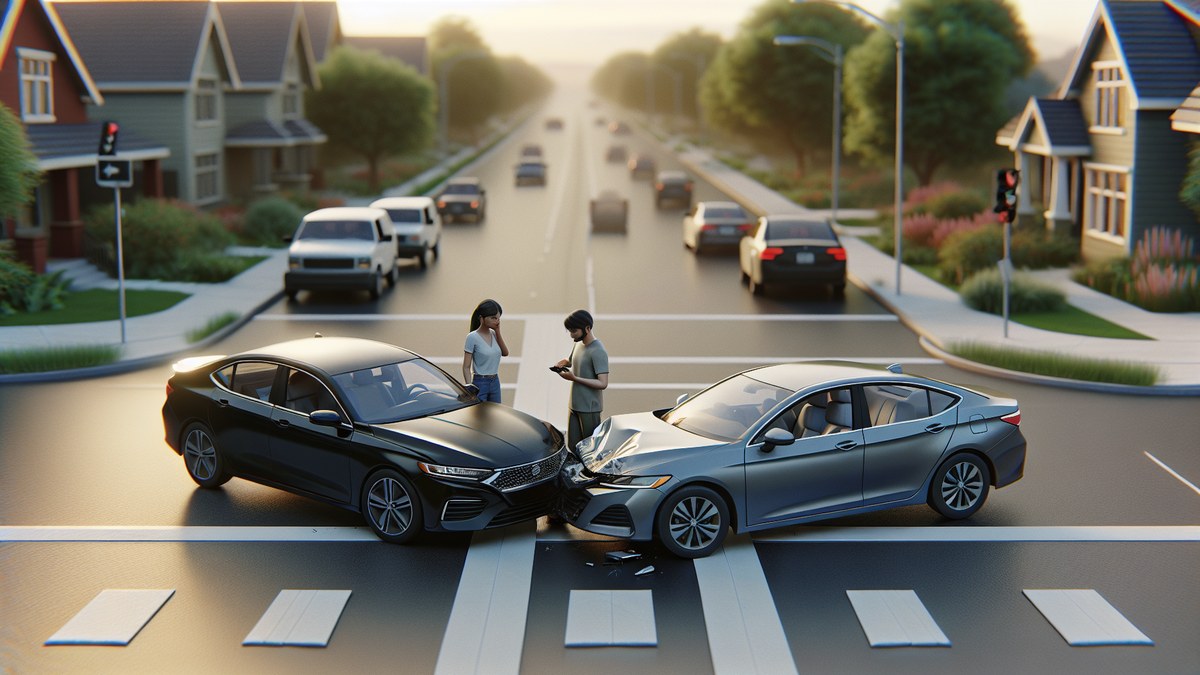
Nobody plans for the accident, but a chunk of rideshare drivers will have one inside their first 12 months on the road. With a rented car, the playbook is different than if you owned it. Different paperwork, different insurance flow, different consequences. Here's what actually happens, in order, when you have a fender bender (or worse) in a car rented through RideshareRenter.
Whatever else you do, the first hour after an accident is critical. Call 1911 if anyone is injured, move cars if safe, call police even for minor incidents, end the trip in-app, take photos of all four sides, exchange info, and don't admit fault. Then notify the RideshareRenter owner, RideshareRenter support, and Uber/Lyft (if on a trip).
| Situation | Primary | Secondary |
|---|---|---|
| App off, personal use | RideshareRenter rental insurance | — |
| Period 1 (app on, no passenger) | Uber/Lyft contingent + rental | depends on tier |
| Period 2&3 (trip active) | Uber/Lyft $1M liability | Rental for collision |
Deductibles: cheap tier $2,500, mid-tier $1,000, top tier $500. Nobody full-time should be on the cheap tier — the math doesn't work after the first claim.
Trying to handle a fender bender "off the books" with cash and no police report. Goes wrong maybe half the time. Don't do it.
Uninsured motorist coverage is included in most RideshareRenter insurance tiers.
Only if there's no visible damage and you're physically okay. Otherwise, end the shift.
Not if insurance pays and you didn't violate the rental terms.
2-6 weeks for minor at-fault, 4-10 weeks for not-at-fault, 3+ months for disputed.
Accidents in rideshare rentals aren't catastrophic. Pay for mid-tier insurance, always call police, document everything, notify all parties. The system works.—.
Drivers: Need a car with insurance? Browse RideshareRenter.
Vehicle owners: List your car with structured insurance backing.




Comments